REVIEW · BUCHAREST
Private 6-Day Dracula Tour in Transylvania from Bucharest
Book on Viator →Operated by Transylvania Discovery Tours · Bookable on Viator
Vlad’s footsteps start on the road out of Bucharest. What makes this trip interesting is how it pairs Dracula legends with concrete sights—fortified churches, citadels, and castles that shaped Transylvania long before bats. I especially like the private, English-guided format (you’re not stuck in a crowd), and I like the way the pace builds story day by day across multiple towns. The main drawback to plan for is that some site entry fees aren’t included, and several big viewpoints involve lots of stairs and driving time.
I also like the human touch behind the guiding. Names like Bogdan, Dan, Adriana, and Mimi show up in the guide experience, and the common thread is clear, safe driving plus an easy conversation style that keeps history understandable (even when it gets dark). The consideration here is simple: this is a road trip through hilly regions, so expect long days even when the stops are great.
Finally, you’ll sleep in a mix of more characterful places rather than just generic big hotels. The Sibiel-area pension stay is a highlight, and the dinner setup with wine and Romanian plum brandy in the Sibiel segment gives you an evening that feels local, not staged. One watch-out: the Dracula Castle hotel stop (near Borgo Pass) has less appeal for some people because it’s mainly a hotel stay rather than a walkable town vibe.
In This Review
- Key things to know before you go
- Bucharest-to-Transylvania: why this tour works as a story
- Day 1: Curtea de Argeș, 1480 steps at Poienari, and Transfăgărășan mountain views
- Day 2: Hunyadi Castle and Alba Iulia’s star-shaped citadel
- Day 3: Sibiu squares, Medias fortified church, and a Dracula night near Borgo Pass
- Day 4: UNESCO Biertan fortified church and Sighişoara, Vlad’s birthplace town
- Day 5: Prejmer’s 4.5m walls, Bran Castle, and Rasnov’s panoramic fortress
- Day 6: Peliș Castle at Sinaia and Snagov Monastery before returning to Bucharest
- Price and what you really get for $2,078.18
- Timing, weather, and the small surprises that can change your route
- Who this tour fits best (and who should think twice)
- Should you book this Dracula tour?
- FAQ
- What time does the tour start, and where do I get picked up?
- Is this tour private or shared with other travelers?
- What language is the tour offered in?
- Which meals are included?
- Are entrance fees included for the sights?
- Does the route change by season?
- What if Poienari Castle is closed for renovation?
- What happens if the Borgo Pass hotel is closed?
- Can I get vegetarian meals?
Key things to know before you go
- Private guiding in English with hotel pickup and drop-off from Bucharest (or OTP Airport pickup).
- UNESCO stops at Biertan Fortified Church and Pejmer (Prejmer) Fortified Church.
- Big driving highlights like the Transfăgărășan Highway when seasonal access is available.
- Vlad-focused sites including Poienari, Sighişoara, Bran Castle, and Snagov Monastery.
- Comfort-first inclusions: breakfast daily, select dinners (including wine and plum brandy), and a skip-the-line promise.
Bucharest-to-Transylvania: why this tour works as a story
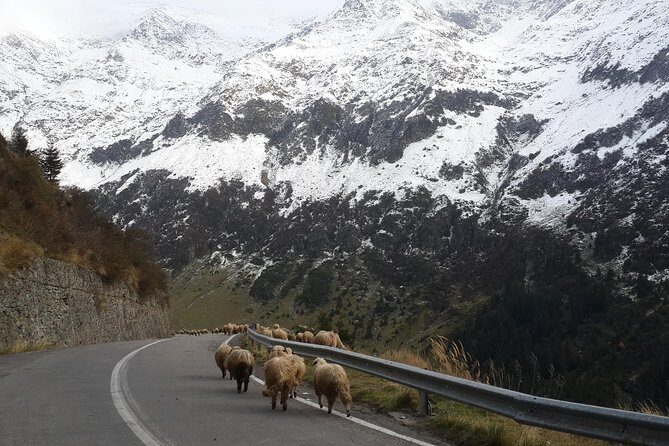
This tour is built like a legend with footnotes. You start in Bucharest, then move outward in a way that feels logical: mountains first, then Saxon towns, then the Vlad trail, finishing with royal Romania touches and the Snagov monastery chapter. That matters because Dracula stories can feel like a theme-park loop if you only chase one castle after another. Here, the setting is doing the work.
You’ll travel by air-conditioned minivan or private vehicle, and you’ll get consistent guide support. That’s not a small point in Romania’s smaller roads and mountain climbs. It also helps when the day includes both “wow” views and practical tasks like getting you to the next town on time.
Other day trips from Bucharest we've reviewed
Day 1: Curtea de Argeș, 1480 steps at Poienari, and Transfăgărășan mountain views
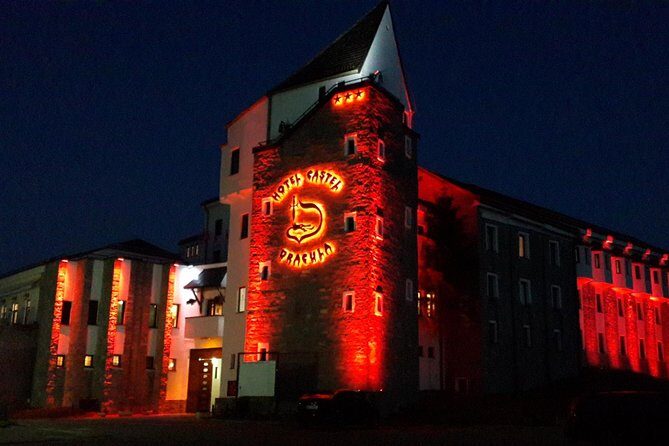
Day 1 is where the mood gets set. You’ll start with a first look at Bucharest’s city centre before heading toward the Argeș region.
Curtea de Argeș Monastery is a calm opener. It’s tied to the famous legend of Master Manole, so you’re not just seeing architecture—you’re getting the cultural hook that links Romanian storytelling to stone and pilgrimage.
Then comes Poienari Castle. This is the “are you really here for Dracula?” stop. It sits high above the area, and reaching the fortress means climbing 1480 stairs. The good news: even without counting steps, the fortress dominates the scene when you finally get there. The practical drawback: if your legs are not ready for stairs, you’ll feel it.
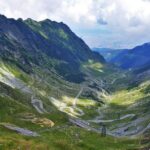
After that, you switch from legend to scenery with the Transfăgărășan Highway, often called the Top Gear road. You’ll pass tunnels and viaducts with sharp hairpin turns, plus stops around the Balea area—Lake Balea, Lake Vidraru, and photo breaks at Vidraru Dam and Capra Waterfall. This part is high payoff for cameras because you get multiple lookouts without needing to pack in extra activities.
You end the day at Balea Glacier Lake (around 2042 meters altitude), with a chance for coffee at Balea Chalet if it’s operating. Then it’s off to Sibiel for the night at a home stay style pension with en-suite rooms. I like this transition a lot because it keeps the day from turning into pure bus time—you get a proper mountain payoff, then you sleep somewhere that feels more local than standard hotel corridors.
Season note you should care about: the Transfăgărășan Highway is only open between July and October. Outside those months, Day 1 shifts to a mountain route via Olt Valley.
Day 2: Hunyadi Castle and Alba Iulia’s star-shaped citadel
Day 2 is all about fortifications and the people who used them.
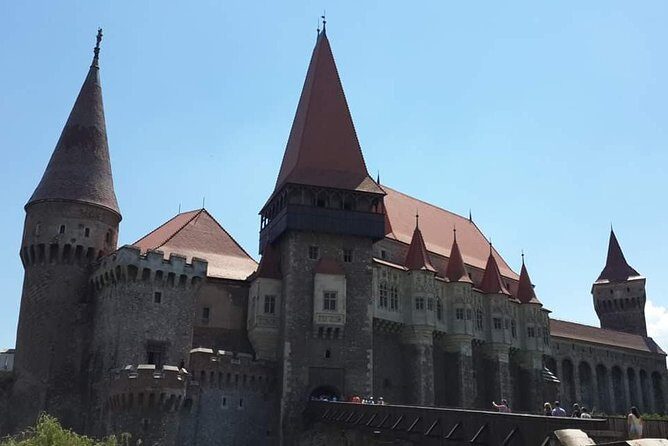
At Castelul Corvinilor (Hunyadi Castle), you get a fortress with big theatrical energy. Locally it’s associated with a curse and haunting stories, and you’ll also hear the darker prison connection to the Bear Pit. Even if you’re not chasing the spooky angle, this is a memorable architecture stop: defensive shapes, towers, and the feeling of a place built for survival.
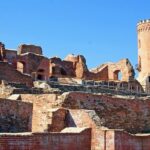
Then you move to Cetatea Alba Iulia, a star-shaped citadel and one of Transylvania’s more overlooked big hitters. Its walls are well preserved and it’s large enough that it doesn’t feel like a quick photo stop. You’ll have time to take in museums, churches, and archaeological treasures inside the citadel walls.
This is also a day where the “private” aspect pays off. You can actually slow down in the places that interest you and spend less time where you’re just collecting snapshots.
Day 3: Sibiu squares, Medias fortified church, and a Dracula night near Borgo Pass
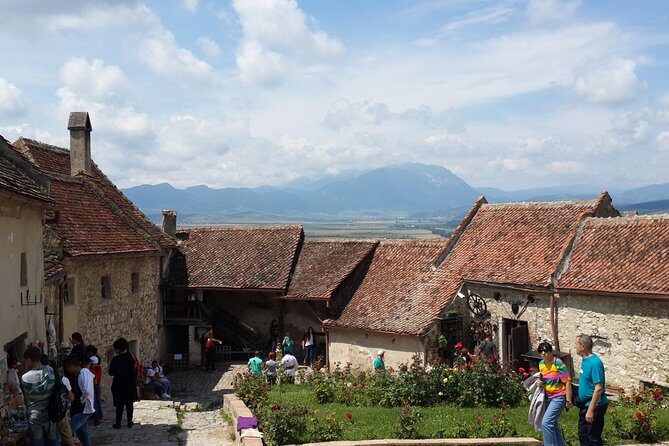
Day 3 leans into Germanic Saxon Transylvania. That’s important because Dracula isn’t only a Romanian folk tale. It’s also a story absorbed and re-told in the broader region’s fortified towns.
In Sibiu, you’ll focus on the historic squares and bridges: the Big Square, the Little Square, Huet Square, the Liars’ Bridge, and key church landmarks like the Evangelical Church. You’ll also spend time learning how Sibiu was fortified with rings of walls and how the medieval street layout still shapes what you experience today.
Next is Medias, including the Evangelic Cathedral and the old town vibe. This is where you see the fortified church as the core of the settlement, surrounded by craft guilds and defenses. It’s the kind of stop that’s easy to underestimate—until you’re walking narrow lanes and notice how the town plan still reflects a defensive mind.
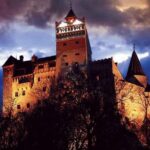
Then you drive to the Borgo Pass area—the place connected to Dracula Castle—and sleep at the Dracula Castle Hotel for the night. Here’s the consideration: the hotel location can feel remote and some people feel there isn’t much to do there beyond the hotel itself. If you’re hoping for a lively evening outside your room, you might prefer a setup where you can walk into town.
Day 4: UNESCO Biertan fortified church and Sighişoara, Vlad’s birthplace town
If you want one day that feels like Transylvania’s past put on display, it’s Day 4.
Start with Biertan Fortified Church, a UNESCO World Heritage site. The church rises sharply over a huddle of Saxon buildings, so it looks like the town grew around protection. It’s also an easy place to understand why fortified churches mattered: the walls weren’t just symbolic. They were a functional response to danger.
From there you head to Sighişoara, also UNESCO, and famous for being connected to Vlad the Impaler’s birthplace. You’ll walk through the citadel area and see the highlights: the Clock Tower, the Church on the Hill, and the house tied to Vlad’s birth. Even when the legend takes center stage, the medieval town streets do the heavy lifting. Pastel-coloured buildings, stony lanes, and medieval towers can make you stare without realizing you’re doing it.
You’ll also have time for lunch arrangements in the medieval town, with the option of eating at Dracula House Restaurant.
The rest of the day is at your leisure, which I like. After two intense sightseeing days, you get room to wander, stop for coffee, or simply slow down and let Sighişoara’s layout work on you.
Other multi-day Transylvania tours we've reviewed

Day 5: Prejmer’s 4.5m walls, Bran Castle, and Rasnov’s panoramic fortress
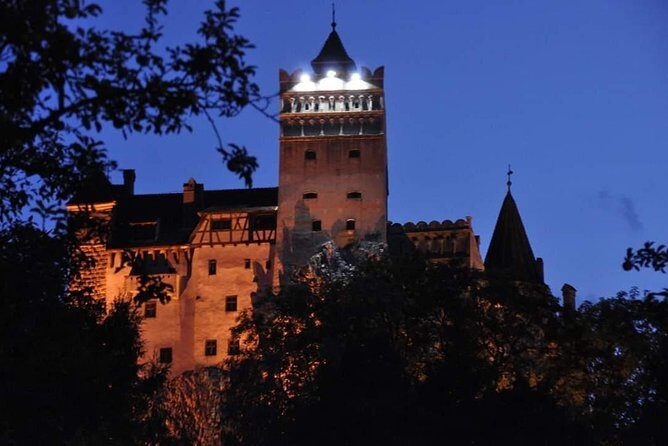
Day 5 brings you closer to the Dracula “greatest hits”—but it doesn’t do it with only one stop.
First is Pejmer (Prejmer) Fortified Church, another UNESCO site and one of Eastern Europe’s best preserved fortified church complexes. The big detail here is the defensive engineering: the walls can be about 4.5 meters thick, and the fortress includes what used to be a network of storage and living spaces. The complex originally dates to the early 1200s with Teutonic knight involvement, and it includes 270 rooms that families used during wartime.
What makes Prejmer special is walking inside the defensive corridors. Without even trying, you can picture the fear behind the walls because you’re literally moving through the design meant for survival.
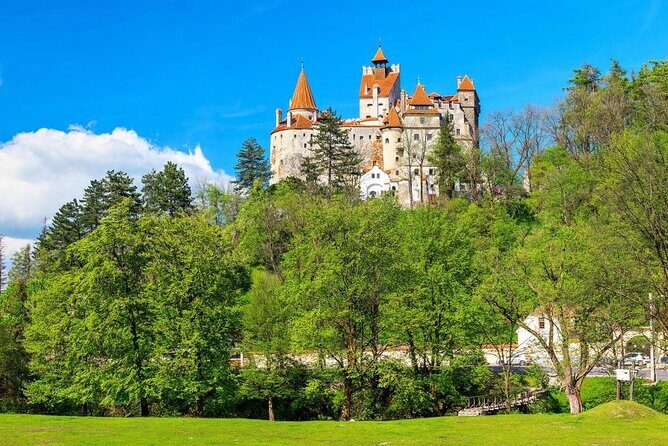
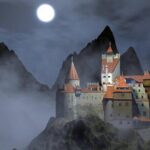
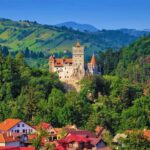
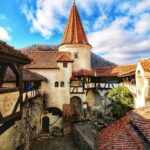
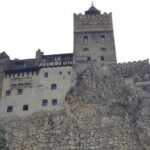
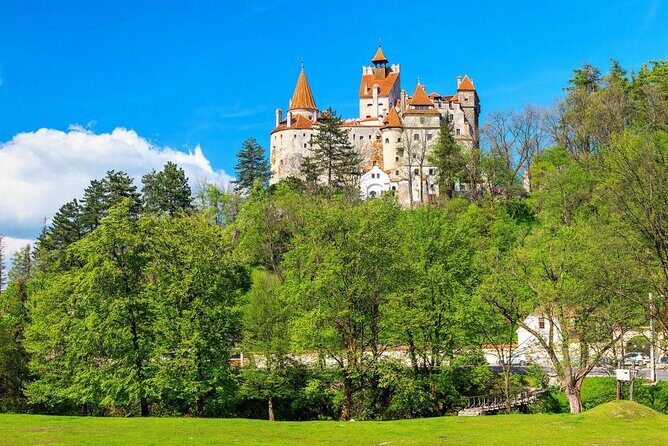
Then you go to Bran Castle, widely known as Dracula Castle. This is where you’ll hear the legend compared to what people claim as the truth behind it. You’ll travel through the Prahova Valley, with a scenic stop near Bușteni to admire the Bucegi Mountains peaks. For many people, this ride is part of the attraction—Bran is the headline, but the route helps you feel the scale of the region.
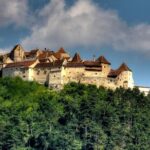
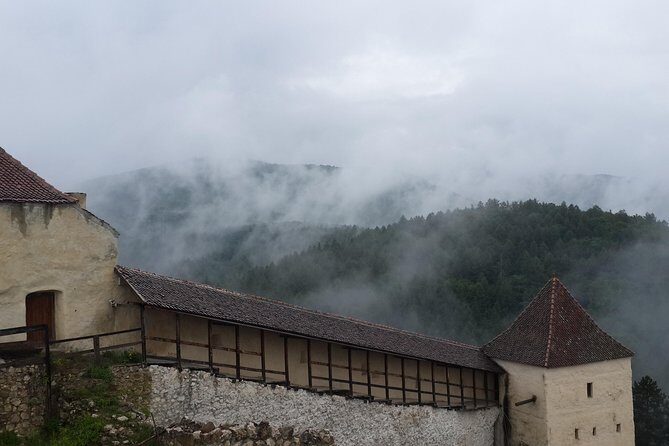
After Bran, you head to Rasnov Citadel, another peasant fortress with a strong view payoff. From the top you get a broad panorama over the Barsa Land area, and Rasnov gives you that “less crowded, still medieval” vibe.
You then transfer to Brasov for an evening stay at Casa Timar Pension (or similar) with en-suite rooms and breakfast included.
Day 6: Peliș Castle at Sinaia and Snagov Monastery before returning to Bucharest
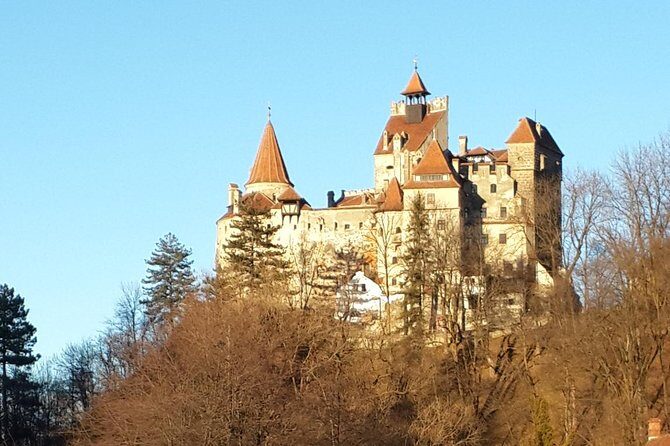
The final day softens the edges of the Dracula theme without losing the Vlad thread.
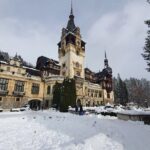
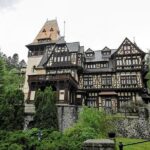
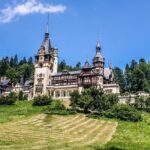
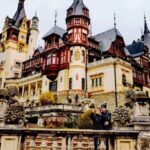
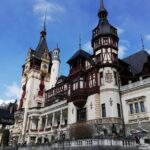
You start in Sinaia with Pelișor Castle (Peleș Castle)—the summer residence of the former Romanian royal family. It’s also described as one of the most beautiful museums in the world, and it was built in roughly 40 years by King Charles I. The stop pairs well with all the fortress talk from earlier days because you get a different side of power: not only defense, but display and taste.
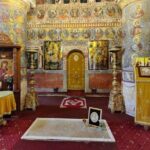
Then you end with Snagov Monastery, tied to legends about the final chapter of Vlad’s life. The monastery sits by quiet water, and it’s a place where the story becomes physical—especially when you’re at the altar area connected to Dracula’s tomb in local tradition, with frescoes reaching back to the 15th century.
This stop is also a reminder that Dracula isn’t just monsters and midnight. It’s tied to politics, punishment, and monastic life. The legends here are debated, but even if you care mostly about atmosphere, Snagov is still a compelling final scene.
From there, you transfer back to Bucharest by your hotel drop-off.
Price and what you really get for $2,078.18
At $2,078.18 per person, this tour is not a budget Dracula run. The value is in the structure: private guiding, hotel pickup and drop-off, air-conditioned transport, and a fixed multi-night plan that takes you across several major Transylvania towns instead of only circling one area.
You also get a meaningful inclusions package:
- 5 breakfasts
- 2 dinners plus select evening dining tied to Sibiel (including wine and Romanian plum brandy)
- Hotels for 5 nights in specific areas (Sibiel, Borgo Pass area, Sighişoara, Brasov)
- A promise to skip the long lines
- A mobile ticket
- English-speaking guide support
What you should budget for: entrance fees. The stop descriptions you’ll follow list admission tickets as not included, so you’ll want to carry some cash/card for site entries. That’s true even though the tour works hard to keep lines from eating your day.
If you’re the type who hates wasting time negotiating tickets or searching for meeting points, the price starts to feel less crazy. If you’re more comfortable self-driving and doing a lighter “choose-your-own” plan, you could spend less elsewhere. But you’d lose the consistent storytelling and day-to-day coordination that makes this route feel seamless.
Timing, weather, and the small surprises that can change your route
This is a long road trip, and the tour is set to operate in all weather conditions, so dress for rain and cold as needed. In mountain areas, conditions can shift fast.
Two route adjustments are already baked in:
- Transfăgărășan Highway only operates July–October. Outside that window, Day 1 routes through Olt Valley.
- Poienari Castle is under renovation, so you may only see it from the bottom of the mountain rather than climb all the way up.
There’s also a note that the hotel in the Borgo Pass area is closed, so the plan may switch you to Bistrita town or adjust the itinerary with stops like Turda Salt Mine (with possible overnight around Cluj Napoca or Turda).
These changes aren’t bad, but they are important. If you’re going specifically for Poienari’s full fortress experience or you’re counting on Transfăgărășan views, ask when you book which seasonal version you’ll follow.
Vegetarian options are available—tell the operator at booking time.
Who this tour fits best (and who should think twice)
This private 6-day Dracula tour fits best if you:
- Want guided context (legends plus historical setting) rather than just castle photos
- Like a structured plan that moves daily without decision fatigue
- Prefer one vehicle and one guide team across multiple towns
- Care about UNESCO sites as more than a checklist
It may not fit if you:
- Can’t handle stair-heavy stops (Poienari is a big one)
- Strongly want walkable evenings in every place (the Borgo Pass hotel area can feel remote)
- Are looking for a tight budget with no extra site fees (entrance tickets aren’t included)
Should you book this Dracula tour?
I’d book it if you want Dracula to feel like a real regional story, not just a single castle visit. The mix of UNESCO fortified churches, Saxon town walking, big fortress stops, and the Snagov monastery ending gives you a complete arc.
I’d think twice if your Dracula priorities are narrow—only Bran, only crowds, or only one exact version of the Transfăgărășan/Poiemari experience. In that case, you’ll want to confirm seasonal access and renovation impacts before you commit.
If your goal is to understand why Transylvania became the stage for Dracula and why these walls and churches matter, this is a strong way to do it—comfortable logistics, confident guiding, and enough variety that the trip stays interesting even after the third castle photo.
FAQ
What time does the tour start, and where do I get picked up?
It starts at 9:00 am in Bucharest. You’ll be picked up from your hotel in Bucharest or from OTP Bucharest Airport.
Is this tour private or shared with other travelers?
It’s a private tour/activity, so only your group participates.
What language is the tour offered in?
The tour is offered in English.
Which meals are included?
You get breakfast (5). You also get dinner (2), plus a 3-course dinner with wine and Romanian plum brandy in the Sibiel segment on Day 1 and Day 2.
Are entrance fees included for the sights?
Entrance tickets are listed as not included at stops, so you should budget for site entry fees even though the tour includes a skip-the-long-lines promise.
Does the route change by season?
Yes. The Transfăgărășan Highway is open only July–October. In the rest of the year, Day 1 shifts to crossing the mountains via Olt Valley.
What if Poienari Castle is closed for renovation?
Poienari may be under renovation, and you might only see it from the bottom of the mountain.
What happens if the Borgo Pass hotel is closed?
If the hotel in the Borgo Pass area is closed, the tour may stay in Bistrita town instead or change the itinerary by visiting Turda Salt Mine, with overnight options around Cluj Napoca or Turda.
Can I get vegetarian meals?
Yes. A vegetarian option is available, and you should advise the operator at booking time.