REVIEW · BUCHAREST
From Dracula to Ceaușescu-Romanian Terror Stories Tour with Dacia
Book on Viator →Operated by Red Patrol · Bookable on Viator
Dark Bucharest rides start with a Dacia. This 6-hour horror-history drive blends a restored Dacia from the 1980s with 500 years of blood-soaked stories, moving you around Bucharest and out toward Comana.
I like how it mixes big historical landmarks with personal-feeling scenes—no museum fog, just street-level context. It also runs at a value-forward price for what you get: pickup, the car ride, and access to key sites.
What I love most is the classic-car atmosphere. You’re not just hearing about the past; you’re rolling through the city in the kind of vehicle people actually once depended on. My second favorite part is the finale at Comana Monastery, where the tour pairs the Vlad Dracula assassination/burial story with a visit that includes an ossuary tied to WWI victims.
One thing to consider: the subject matter is heavy. Expect violence-forward tales, including mentions of beheadings, impaling, arson, poisoning, and 1970s-era crimes, so this is not a good pick if you prefer light history.
In This Review
- Key highlights that make this tour worth it
- A Dacia ride makes Bucharest’s horror feel close
- Price and timing: what you’re really paying for
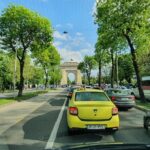
- Checkpoint 1: Piața Constituției and the cost of spectacle under Ceaușescu
- Stop 2 near Revolution Square: vampires, revolution energy, and 1970s darkness
- Old Town: the stories that turn familiar streets into uncomfortable places
- Comana Monastery: the Vlad Dracula finale plus an ossuary visit
- Comana short stop: natural reservation and the quieter side of dread
- What the included extras do for the overall day
- Who should book this Dacia horror-history tour
- A note on the guide vibe (and why it matters)
- Getting the most out of the day (quick, practical tips)
- Should you book this Bucharest Dacia horror tour?
- FAQ
- FAQ
- What’s the duration of the tour?
- Where does the tour start?
- Is hotel pickup included?
- What’s included in the price?
- Is lunch included?
- Can I cancel for a full refund?
Key highlights that make this tour worth it
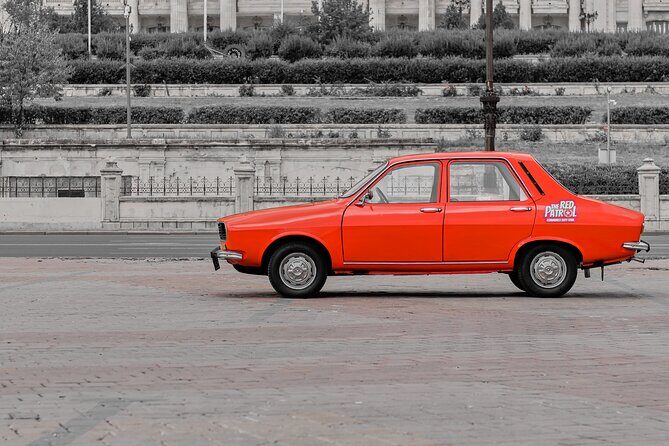
- 80s Dacia car ride (classic feel, practical comfort): expect a nostalgic drive style, not a sleek city shuttle.
- Piața Constituției story from the Ceaușescu era: the House of Parliament construction site human cost is central here.
- Revolution Square stop tied to Vlad Dracul and later nightmares: you get a time-spanning route, not one era only.
- Old Town takes on the darker side of everyday life: gruesome stories are tied to places you’d otherwise walk past.
- Comana Monastery finale with ossuary access: the tour’s main “payoff” includes a site visit, not just narration.
- Comana natural reservation short stop: a brief breath of outdoor space after the darkest scenes.
A Dacia ride makes Bucharest’s horror feel close
Bucharest has a way of swallowing you in contradictions: grand architecture beside ugly truth, and myths next to real trauma. Doing this tour by restored Dacia helps you feel those contrasts fast. The car instantly signals mood: vintage, local, and a little uncomfortable in the best way. It keeps the day from turning into a distant history lecture.
You’ll also cover a fair chunk of ground. The tour is built around about 110 km of travel across multiple stops, so it’s not just one neighborhood loop. That matters because the stories jump centuries—from Vlad Țepeș (often linked to Dracula) through Ceaușescu—so transportation becomes part of the storytelling rhythm.
And yes, the ride is exactly the kind of detail that earns laughs from history nerds and car nerds alike. One passenger even summed up the whole vibe with the line about the Dacia being the best car in the world, which is pretty much what the day feels like: a serious subject told with a car that makes you pay attention.
Other Bucharest communism tours we've reviewed
Price and timing: what you’re really paying for
At $185.22 per person for about 6 hours, you’re not paying for a cheap “walk and talk.” You’re paying for a bundle:
- hotel pickup and drop-off in Bucharest (from your address)
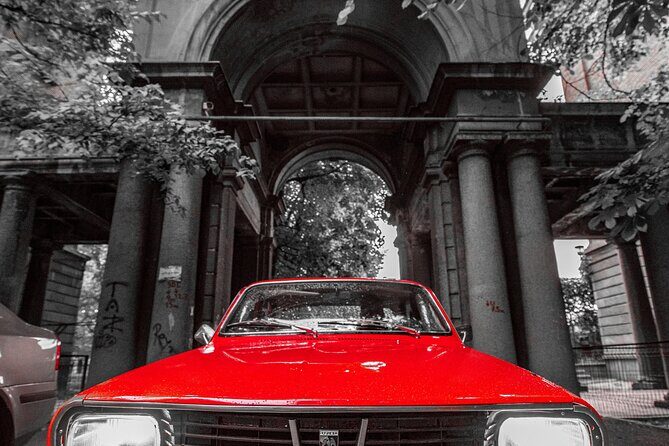
- a restored Dacia ride
- bottled water
- a tour newspaper and a personalized gift
- site access at the monastery/ossuary/natural reservation
Lunch is not included, so plan for it. The schedule also suggests a full day experience, not a short add-on. If you hate long sitting, remember this is a car-based tour, so you’ll be seated a lot. It’s manageable for most people with moderate fitness, but it’s still a 9:00 am start.
Another small practical note: the tour uses a mobile ticket and is private for your group only. That’s a real quality-of-life upgrade if you prefer your guide to move at your pace and not dodge other groups mid-sight.
Checkpoint 1: Piața Constituției and the cost of spectacle under Ceaușescu
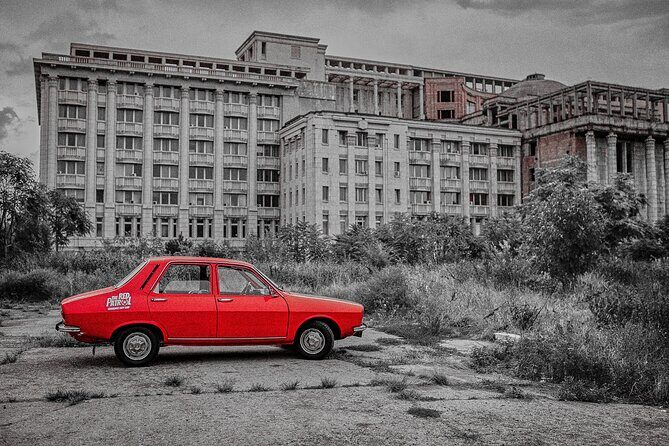
Your first major stop centers on Piața Constituției and the House of the Parliament, the Ceaușescu-era mega-project started in 1983. Here the emphasis isn’t just architecture. It’s the human scale of what went into it: the account given during the tour is that tens of thousands of workers worked in shifts for years, and the construction site is also described as having a heavy victim count.
This is one of the places where the tour’s “horror” label makes sense beyond shock value. You’re looking at a symbol of power that was built with coercion and suffering. Even if you already know the basics about the communist era, this stop tends to hit differently because the tour frames it as lived consequences, not textbook history.
How to use this time: don’t rush photos. Spend a few minutes just looking at what’s in front of you, then let the guide connect it to the stories. The contrast is the point.
Admission at this stop is listed as free, so you’re not juggling ticket decisions while trying to absorb the content.
Stop 2 near Revolution Square: vampires, revolution energy, and 1970s darkness
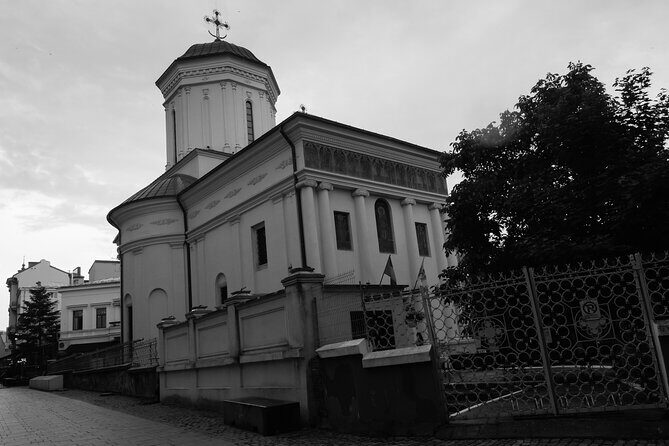
From there, you head toward Revolution Square (Piața Revoluției), a hub that anchors modern Romanian history. This stop is positioned as the central point for stories from the last 100 years, with threads that link back to Vlad the Impaler era and forward into 1970s-era criminal darkness described as a “vampire serial killer.”
The way the tour jumps time can feel dramatic, but it’s also useful. Bucharest doesn’t move in straight lines through history. It layers symbols. Revolution Square is one of those places where you can feel that layering just by standing there.
There’s also a “real-world vs. nightmare” balance here. The tour uses spooky language—phantoms, ominous echoes—but what you’ll come away with is a sense of how people used fear, propaganda, and rumor in different periods. That’s the practical value: you learn to read the city’s atmosphere without taking every claim as pure fact.
Timing here is about 45 minutes. Admission is listed as not included, so don’t expect this stop to be fully “no-cost” from a ticket standpoint, even if the rest of the day is smooth.
Old Town: the stories that turn familiar streets into uncomfortable places
Next comes the Old Town, a section of Bucharest that many people visit for food streets and wandering. This tour changes the lens. It uses the neighborhood as a stage for darker stories, including mentions of violent or grotesque rumors tied to local life.
The content described for this stop includes:
- human meat pie mentions connected to the 1970s restaurant scene
- an “organ traffic network” tied to a 1970s orphanage center
- a major bank robbery from the Socialist era
Even if some details lean more sensational than academic, the practical takeaway is how the tour connects underground crime themes to places people pass every day. You’ll walk away with the sense that Bucharest’s past isn’t just monuments; it’s also networks, economies, and desperation.
This stop runs around 45 minutes and has admission listed as free. That makes it a good use of time because you can focus on the guide’s narration and not worry about last-minute entry issues.
My advice: if graphic themes bother you, this is the moment to brace yourself mentally. The tour doesn’t ease into gentler content. It keeps going.
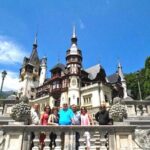
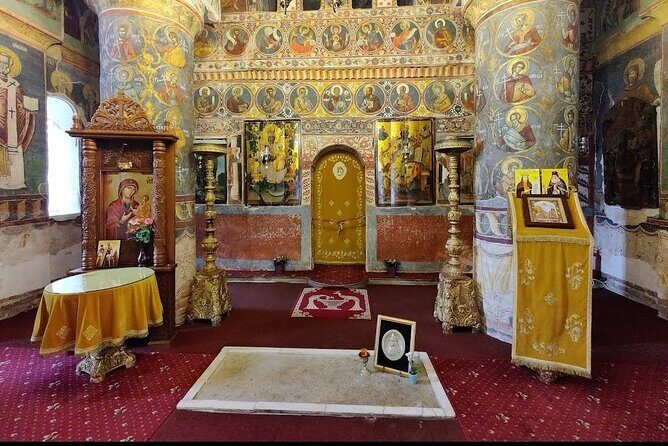
Comana Monastery: the Vlad Dracula finale plus an ossuary visit
The day’s emotional and story payoff lands at Comana Monastery. This is a key reason to book: the tour doesn’t end with a curbside explanation. It includes a real site visit with access included.
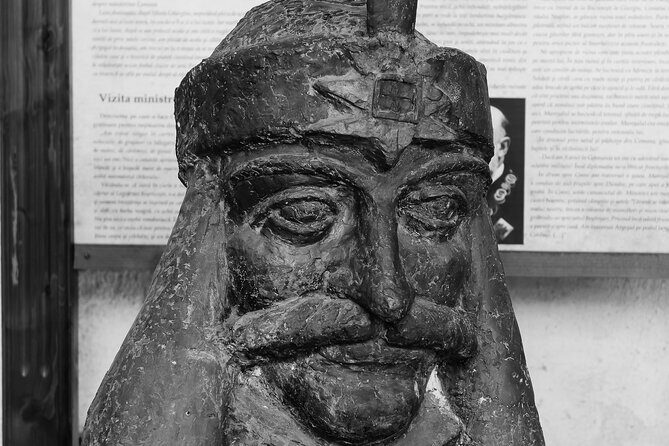
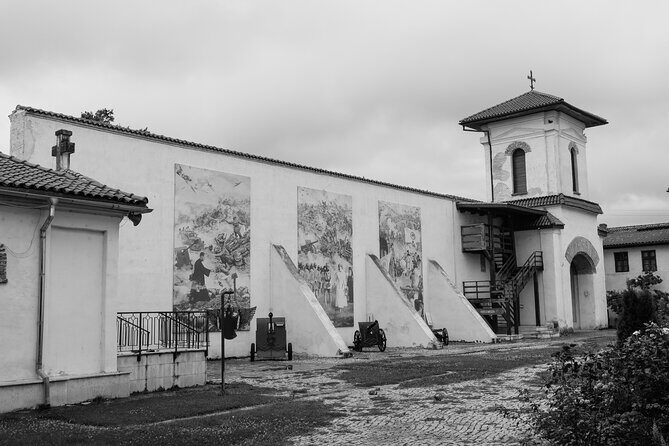
Here, the tour presents the assassination place of Vlad Dracula and includes visits described as:
- the tomb linked to Vlad Dracul
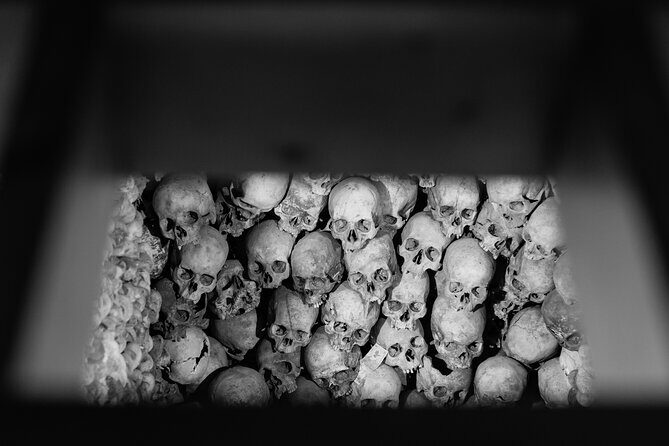
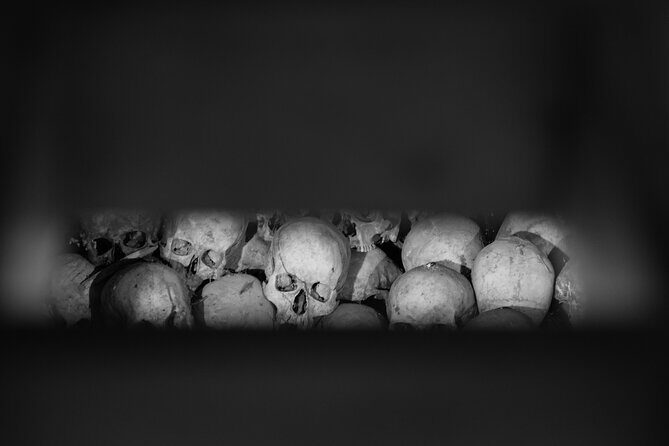
- an ossuary for WWI victims
It’s framed as the culmination of the horror story—moving from Vlad Țepeș legend and bloody acts into a physical place where the remains of later tragedies are also part of the atmosphere.
This stop is listed as 45 minutes with admission included. That matters because it lets you concentrate on the experience rather than figuring out ticket processes. It also makes the last stretch feel “complete.” You’ve been building centuries of dread, and then you’re standing in a location that anchors it in stone and silence.
One practical tip: keep your voice low and your camera ready, but don’t treat this as a theme-park moment. The ossuary connection shifts the energy from entertainment toward remembrance.
Comana short stop: natural reservation and the quieter side of dread
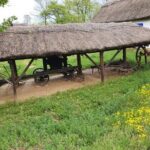
After the monastery, you get a smaller stop at Comana connected to a natural reservation near the Vlad Dracula assassination area. This part is shorter—about 20 minutes—and it’s described as a setting for battles and murders starting from the 15th century.
If the morning feels like it’s all heavy spectacle, this quick outdoor segment helps you reset. It won’t turn the day “light,” but it gives your brain a different texture after absorbing intense stories indoors.
Admission at this stop is listed as free. So think of it as an extra dose of place-based storytelling rather than an added expense.
What the included extras do for the overall day
A lot of tours list the basics. This one adds small touches that make the whole thing feel more like a cared-for local experience:
- bottled water for the drive
- a tour newspaper you can flip through to keep names and eras straight
- a personalized gift (a nice touch, especially on a themed tour)
- hotel pickup and drop-off from your Bucharest address
The car ride also becomes part of value. A restored Dacia is an experience on its own, and it helps you justify the price beyond just “paying for stories.” You’re buying a package: movement, context, and access.
And because the tour is described as private for your group only, you avoid the awkward bottlenecks that can happen when multiple groups converge at small sites.
Who should book this Dacia horror-history tour
This tour fits best if you:
- like Vlad Țepeș / Dracula-era lore but want it connected to actual Bucharest locations
- enjoy communist-era history and want Ceaușescu’s era explained in concrete places
- like classic car experiences, and don’t mind a more old-school driving feel
- can handle dark themes without getting upset
It’s not the right pick if you:
- dislike graphic or violent-themed storytelling
- want a gentle, family-friendly museum day
- expect a strictly academic history tour with no sensational elements at all
A note on the guide vibe (and why it matters)
What tends to make or break a horror-history tour is pacing. You need someone who can keep facts and mood from turning into chaos.
In the feedback tied to this program, the guide team names that stand out include Crinu for friendliness and competence, and Nenciu Costin Catalin for making the experience feel special beyond the route. If your guide is strong, the 500-year timeline becomes easier to follow because the storytelling stays structured, not random.
Getting the most out of the day (quick, practical tips)
- Start with good shoes. Even if time is limited at each stop, you’ll be moving around.
- Bring patience for a car day. Vintage cars mean you’re not doing constant “sit back, chill” like in a modern coach.
- Mentally prep for heavy content. If you know you’re sensitive to violence, decide in advance whether this is worth it for you.
- Eat before you go, since lunch isn’t included.
- Use the water and take breaks when the group pauses. The content will get intense, and your brain will need small resets.
Should you book this Bucharest Dacia horror tour?
Book it if you want Bucharest history served with atmosphere: a classic Dacia ride, multiple landmark stops, and a real ending at Comana Monastery with ossuary access. The price is easier to justify when you factor in pickup, transport, included site entries, and the all-day structure.
Skip it if you’re hoping for a light, purely informational stroll. This experience leans into fear, brutality, and unsettling storytelling, including multiple centuries and 1970s-era criminal themes.
FAQ
FAQ
What’s the duration of the tour?
It runs for about 6 hours.
Where does the tour start?
It starts at Revolution Square (Piața Revoluției), București, Romania at 9:00 am, and it ends back at the meeting point.
Is hotel pickup included?
Yes. Hotel pickup and drop-off from your Bucharest address are included.
What’s included in the price?
Included items are hotel pickup/drop-off, a ride with a restored Dacia car, a tour newspaper, a personalized tour gift, bottled water, and access to the Monastery, the Ossuary, and the Natural reservation.
Is lunch included?
No, lunch is not included.
Can I cancel for a full refund?
Yes. You can cancel up to 24 hours in advance for a full refund. If you cancel less than 24 hours before the start time, the amount paid is not refunded.