REVIEW · BUCHAREST
Bucharest Private Tour with Dracula’s Grave and Ceaușescu Mansion
Book on Viator →Operated by Romania Driver and Guide · Bookable on Viator
Bucharest can feel like two cities at once. This private 6-hour tour strings together Romanian village life, the Dracula stop at Snagov, and key sights tied to Nicolae Ceaușescu and the 1989 revolution.
You’ll get two big wins: first, a guided visit to the National Village Museum where rural traditions are presented house-by-house, not in a vague way. Second, you travel with a licensed English-speaking guide/driver like Dan or Nicu, and the route can shift when it makes sense.
One consideration: entrance fees aren’t included, so the 6 hours move fast and you’ll want to budget extra for the stops you actually go inside.
In This Review
- Quick takeaways
- A Tight 6-Hour Mix of Old Romania, Communism, and Dracula
- National Village Museum: Wooden Churches and Sustainable Roots
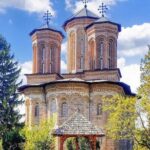
- Snagov Monastery on the Island and Dracula’s Tomb Stop
- Ceaușescu Mansion, the Spring Palace, and the People Behind the Walls
- Calea Victoriei and Revolution Square: From Royals to the 1989 Fall
- Price, What You Get, and What You Should Budget for
- Getting Around: Private Car Comfort and Real Flexibility
- Who This Tour Fits Best (and Who Should Pass)
- Should You Book This Bucharest Private Tour?
Quick takeaways
- Private car for your group means no waiting around for other parties.
- Snagov Monastery is on an island outside Bucharest, with Dracula’s tomb as the headline.
- Ceaușescu Mansion (Spring Palace) connects architecture, politics, and family life in one focused visit.
- Calea Victoriei + Revolution Square gives you the “before and after” feel of Bucharest’s major political changes.
- Licensed English-speaking guide/driver stays with you the whole time and can adjust your route.
- Admission tickets are not included, so plan your budget for museum/monastery/palace entry.
A Tight 6-Hour Mix of Old Romania, Communism, and Dracula
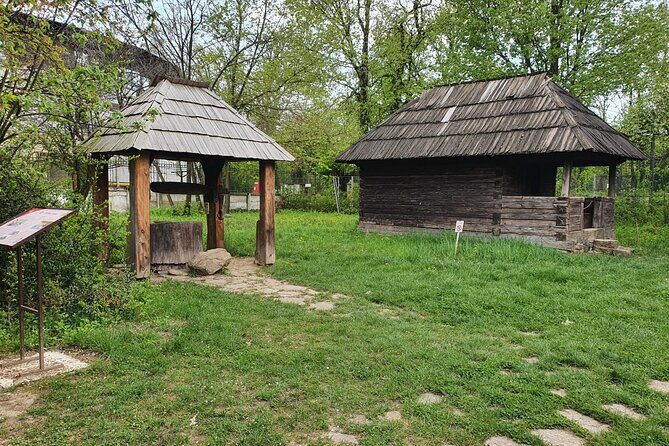
This tour is built for people who want a lot of meaning packed into a single afternoon, without the usual “racing through stops” vibe you sometimes get on longer group tours. In about six hours, you move from traditional Romanian homes and churches, to an island monastery tied to the Dracula story, to the Ceaușescu legacy, then back into central Bucharest for the story of 1989.
What makes it work is the structure. You start with something grounding (the National Village Museum), you hit the most movie-ready stop (Snagov), you pivot into modern Romanian history (Ceaușescu Mansion and Revolution Square), and you end in the kind of city streets where you can still see the layers: royal power on one side, communist-era institutions nearby, and the revolution’s aftermath in the open.
For pacing, the schedule is fairly even, with about an hour at the village museum, roughly two hours at Snagov, about ninety minutes at the mansion, and then shorter city-center walks/driving stops. That adds up to a tour that feels busy, but not frantic—especially because you’re in a private vehicle with your guide.
Other day trips from Bucharest we've reviewed

National Village Museum: Wooden Churches and Sustainable Roots
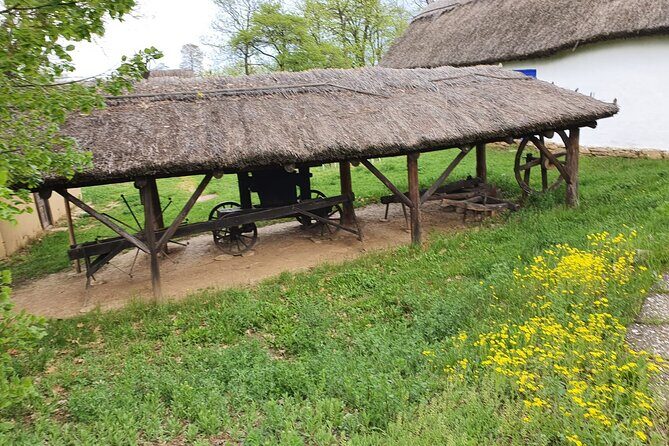
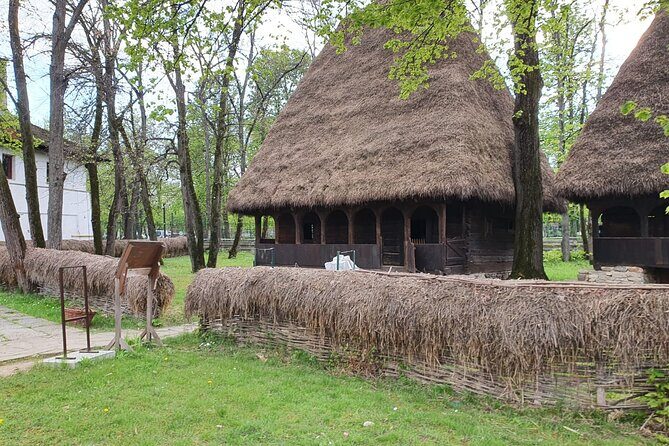
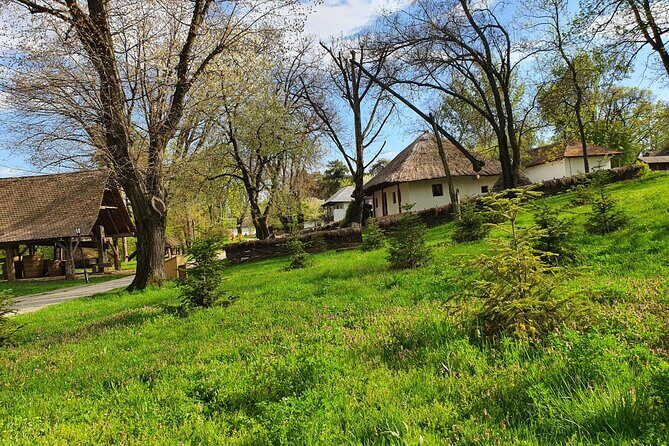
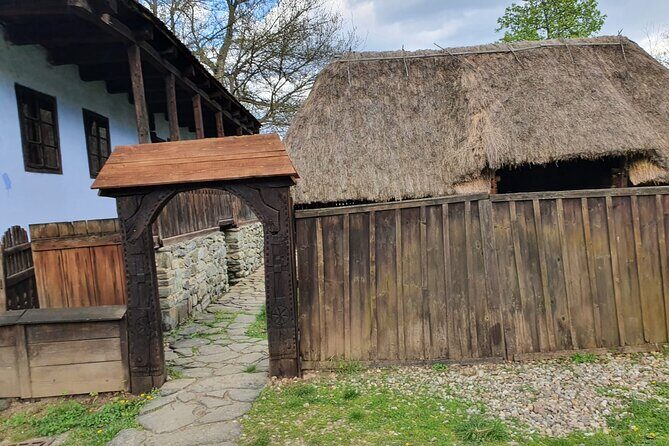
The first stop is Muzeul Național al Satului Dimitrie Gusti, the National Village Museum. This place is less about one “must-see” item and more about the idea of Romanian traditions presented as real structures: houses, churches, and village elements grouped so you can get a sense of what everyday life looked like.
One thing I like about starting here is that it sets your brain to the right mode. When you’re later looking at political buildings and big-city power, it helps to remember that Romania wasn’t always lived out in grand capitals and state offices. In this museum, the focus stays on traditional villagers and how homes were built from materials like wood and adobe (plus other materials used across regions). You’ll also see national symbols tied to village life—like the mill and a wooden church—which makes the visit feel visual, not just historical.
The tour description also points out a surprising angle: it’s framed as an ecological, sustainable approach to living in a village environment. Even if you don’t leave with a “green architecture masterclass,” you do leave with a more human understanding of how people adapted their homes to their surroundings.
Practical notes: the museum entry isn’t included, so you’ll want to add that cost into your day. Also, because the visit is about an hour, choose comfortable shoes and don’t expect a full museum day—this is an introduction with a guide, not a self-guided marathon.
Snagov Monastery on the Island and Dracula’s Tomb Stop
Next comes the drive out of Bucharest to Snagov Monastery, about forty minutes away. The tour calls it a surprise for a reason: Snagov doesn’t feel like a quick city detour. It’s an island setting, and that alone changes the mood. Instead of a straightforward urban sightseeing loop, you get a more detached, quiet feeling—then the Dracula story becomes the headline.
The main draw here is simple: you visit Snagov Monastery and see the tomb of Dracula as presented in the tour plan. The timing helps: you get about two hours for this stop, which is long enough to take in the setting and not just “check the box.”
There are two practical angles to keep in mind. First, since admission tickets aren’t included, you’ll want to budget for monastery entry. Second, travel time matters here. It’s not a close-by “photo stop,” so try to keep your expectations realistic about the overall day’s pace. The payoff is that this is one of those Bucharest-area experiences that feels like a real excursion, not just more walking on familiar streets.
If you’re going specifically for the Dracula angle, this is the most direct stop on the itinerary. If you’re going for Romanian history, this is still valuable: it’s a religious site with its own setting and atmosphere, and the guide’s storytelling is what turns it into an actual experience rather than a name on a map.
Ceaușescu Mansion, the Spring Palace, and the People Behind the Walls
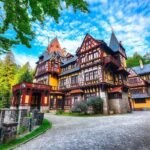
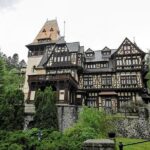
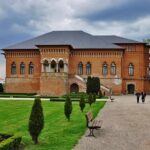
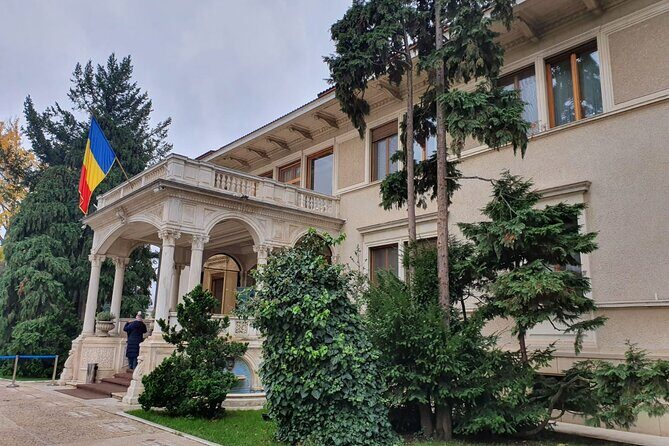
Then you head back into political territory with the Ceaușescu Mansion, also known at the time as the Spring Palace. This is the private residence of Nicolae and Elena Ceaușescu and their children (Nicu, Zoia, and Valentin), used for roughly a quarter of a century starting in 1965.
What’s interesting here is that the stop isn’t only about who lived somewhere. It’s also about how power expressed itself in architecture and design choices. The mansion was built in the mid-1960s and then enlarged between 1970 and 1972. The tour also names the people tied to the design: architecture associated with Aron Grimberg-Solari, and the grounds/design work connected to Robert Woll (who’s described as also the main furniture designer) and Teodosiu, the landscape engineer.
You don’t need to memorize those names to enjoy the stop. But you’ll notice how the mansion tells a story without using big speeches: scale, styling, and planning choices. Even with just about ninety minutes, you get enough time for the guide to connect details to context—why a residence like this matters when you’re trying to understand the Ceaușescu era as more than slogans.
Like the other non-city stops, admission isn’t included, so plan for tickets. Also keep in mind: this is a focused visit. If you love architectural history and would rather spend two or three hours inside, consider that the entire itinerary is time-boxed to fit everything else.
Calea Victoriei and Revolution Square: From Royals to the 1989 Fall
After Snagov and the mansion, Bucharest turns back into “see it with your own eyes” sightseeing, starting with Calea Victoriei (Victory Avenue). The guide takes you along a street where contrasts sit side by side: the Royal Palace area is referenced in the plan, while communist-era power sits nearby through institutions tied to the Romanian Communist Party. It’s one of those places where history doesn’t feel locked away in museums—it’s right there in the street layout and major buildings.
The tour also highlights the Revolution Square (Piața Revoluției) area, including the moment tied to 1989. The plan mentions that Ceaaușescu fled the country by helicopter from this area. Even if you’re not deep into the timeline, your guide can point out how quickly power collapsed and how that shows up in the city’s narrative.
Along Calea Victoriei, you’ll pass churches and a mix of everyday city life: museums, theatres, tea shops, casinos, restaurants, and retail/gift shops. The plan specifically names major landmarks and institutions you might notice from the route, including the Romanian Athenaeum and the National History Museum area, plus the CEC Palace.
Then you finish with the Revolution Square segment, including the Senate Palace reference. The tour plan points to the building that housed the Central Committee of the Romanian Communist Party and identifies it as part of where the December 1989 revolution started. You don’t get a long “sit and read” version of history here. You get the city’s layout and the guide’s explanation, which is often the fastest way to make the event feel real.
This ending part is about perspective. You’ve looked at village life and private luxury tied to a dictator. Now you’re looking at the public spaces where the story changed.
Other Dracula's Tomb and Snagov tours in Bucharest
Price, What You Get, and What You Should Budget for
The price is $174.53 per person for this private tour, designed for about six hours. That number can feel either like a bargain or a stretch depending on how many people you’re booking with.
Here’s how I’d judge the value:
- You’re not sharing a guide. It’s private car service for your group, and a licensed English-speaking guide/driver stays with you the whole time.
- Car expenses are included: gasoline, parking, and road tolls. That’s helpful on a day with both city driving and the Snagov outside-Bucharest trip.
- The tour includes flexibility, even after it starts, which matters more than people think. If timing shifts because of crowds, weather, or your interests, you’re not stuck in a rigid script.
Then comes the key budget caveat: entrance fees aren’t included. That means your final day cost depends on ticket prices at the village museum, Snagov Monastery, and the Ceaușescu Mansion (plus any other stops where entry is required). Food and drinks also aren’t included.
One more practical detail: it’s offered with pickup and also has a mobile ticket. Pickup helps you lose less time—especially important when your schedule includes Snagov, where you can’t just “hop on later” like a casual walking route.
Getting Around: Private Car Comfort and Real Flexibility
The most underrated part of a private tour is transportation that actually supports the story. This itinerary depends on two different worlds: central Bucharest and the outside-of-town sites. A private car makes that smoother, and you avoid the friction of public transit when you’re trying to keep a tight schedule.
You’ll ride in a private car (tourism or minibus) just for your group. The guide/driver works as one unit—so you’re not switching from driver to guide logic midstream. The tour is also described as having great flexibility for changes to the daily itinerary even after the start. That flexibility is a huge quality-of-life factor when you care about seeing the right things and not being forced into a cookie-cutter route.
Based on guide feedback you can expect a “keep it fun and on track” approach. Guides like Nicu have been described as punctual and well informed, and Dan has been praised for being congenial and for adjusting the sightseeing when there’s overlap with other plans. In practice, that means you’re more likely to get a tour that feels tailored to your day rather than a scripted checklist.
Who This Tour Fits Best (and Who Should Pass)
This is a strong pick for you if you like guided interpretation more than self-guided wandering. You’ll get help connecting:
- Romanian traditional village life (and the way homes were built and lived in),
- the Dracula story presented through Snagov Monastery,
- the Ceaușescu era through the Spring Palace residence,
- and the 1989 revolution by walking/rolling through central Bucharest’s key symbolic spaces.
It’s also a great choice if you have limited time. At six hours, it’s shorter than the big “full-day Bucharest” format, but still structured enough to cover several major themes. If you’re the type who hates long travel days, this gives you a concentrated hit without turning the day into a slog.
You might want to pass or consider a different format if you:
- want lots of free time at each site for independent exploring,
- don’t care about Dracula or Ceaușescu at all,
- or prefer a slower museum pace where you can read everything at leisure.
Because admission isn’t included and because the itinerary is time-boxed, it’s best for people who are comfortable paying for entry and trusting the guide to manage the order of stops.
Should You Book This Bucharest Private Tour?
Yes, if you want a smart, time-efficient way to understand Bucharest’s layers in one outing. The combination works: village roots first, then the Dracula-era pop-culture hook at Snagov, then the Ceaușescu residence, and finally Revolution Square and Calea Victoriei so you see how public history sits beside everyday city life.
Book it especially if you value private pacing, an English-speaking guide you can ask questions of, and a route that can adjust when your day needs it. Just go in knowing there are entrance fees and food/drink costs to add later, and plan for a full afternoon where you’ll be moving through several different styles of sightseeing.
If you’re building your first Bucharest itinerary and want it to feel both real and story-driven, this one is a solid choice.