REVIEW · BUCHAREST
3-Day Transylvania Tour with Dracula’s Castle
Book on Viator →Operated by Trip2Ro · Bookable on Viator
Transylvania can be scary, but the logistics aren’t. This 3-day tour runs from Bucharest with pickup, an included hotel stay, and a tight plan that still leaves breathing room. It hits the big names (Sibiu, Sighisoara, Brasov) and the two castle stops tied to Dracula and King Carol I.
The parts I like most are how much guided attention you get while you’re moving between sites, and the fact that accommodation is included, so you’re not piecing together lodging at the last minute.
One thing to plan for: castle entrances are not included (Bran and Peles), and you may also face extra photo fees at museums. Also note the tour says no tour guide will be following for everything, though local guides can be arranged for extra costs.
In This Review
- Key Points You’ll Care About
- Transylvania on a schedule (with just enough wiggle room)
- Bucharest pickup and the pace: confirm the start time and build in early-day energy
- Day 1: Cozia Monastery in Olt Valley, then Sibiu’s medieval squares
- Cozia Monastery: Armenian decorations and frescoed interiors
- Sibiu: Saxon-era atmosphere and the city of three squares
- Day 2: Sighisoara’s UNESCO citadel and Brasov’s Black Church
- Sighisoara: Clock Tower, hill church, and a citadel that’s still lived in
- Brasov: fortified German architecture and the Black Church
- Day 3: Bran Castle for Dracula, then Peles Castle for royal elegance
- Bran Castle: Dracula mythology meets border history
- Peles Castle: royal residence detail instead of horror vibes
- Price and value: what you get for $720.95 and what you’ll pay on top
- Comfort, hotels, and the guide factor that changes the whole trip
- Who should book this 3-day Transylvania tour from Bucharest
- Should you book? My decision guide
- FAQ
- Are airport transfers included?
- Is accommodation included?
- Do I pay separately for Bran and Peles?
- Will I have a guide during the whole trip?
- How many people are in the group?
- Is pickup from my hotel included?
- If I need a single room, is there an extra fee?
- How far in advance can I cancel?
Key Points You’ll Care About
- Small group size (max 15): easier questions, less crowding, and a smoother pace.
- Hotel nights included (2 nights): real value in a region where travel days can chew up time.
- Round-trip comfort: air-conditioned vehicle and transfers from Bucharest make this an easier Transylvania trip.
- Major medieval towns: Sibiu and Sighisoara bring UNESCO-level old town vibes without heavy stress.
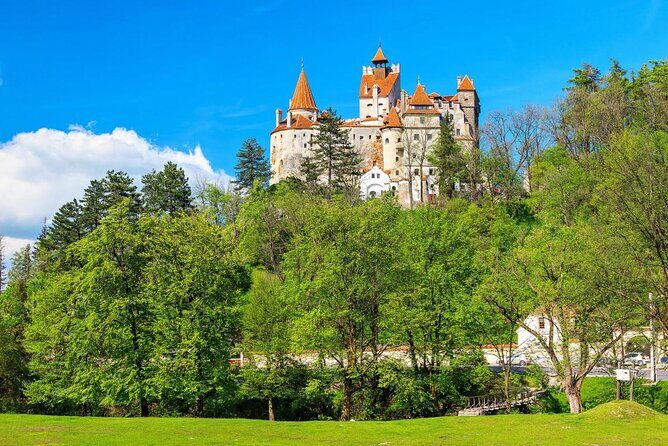
- Two castles, two moods: Bran for the Dracula connection, Peles for elegant royal detail.
- What’s extra to budget: entrance fees and photo fees at museums, plus food and drinks.
Transylvania on a schedule (with just enough wiggle room)
This is the kind of tour that works when you want Transylvania without living out of a suitcase for every meal. You get a structured route with multiple stops across several classic places—Cozia Monastery, Sibiu, Sighisoara, Brasov, Bran, and Peles—while still having time to look around on your own.
The best value here is not just the sightseeing list. It’s the way the trip is put together so you spend less time figuring out routes and more time enjoying the towns. With pickup, an air-conditioned vehicle, and two nights of accommodation included, your days don’t balloon into unpaid transit or last-minute hotel searches.
You’ll also see a practical focus in the small details: mobile ticket use, group discounts, and a group cap of 15. In plain terms, that usually means less chaos at each stop.
Other Bran Castle (Dracula's Castle) tours we've reviewed in Bucharest
Bucharest pickup and the pace: confirm the start time and build in early-day energy
The tour lists your start as 8:30 am (meeting time), and the itinerary describes pickup at 09:00 am from your selected hotel. That gap isn’t a red flag by itself, but it does mean you should confirm the exact pickup time when you book.
Why this matters: castles and old towns are best earlier in the day. You’ll want a quick breakfast, a ready phone for the mobile ticket, and comfortable shoes. Expect a long but managed day—driving time plus walking time.
A couple of travel-logic tips I’d follow:
- Plan to be ready at your hotel lobby a bit early so you don’t lose time.
- Bring a light layer. Even in Romania, morning-to-afternoon temperature shifts can happen.
- Keep some cash handy for extras. There are costs you might run into for tickets, photo fees, and the single-room supplement if you need it.
Day 1: Cozia Monastery in Olt Valley, then Sibiu’s medieval squares
Day 1 is a strong opener because it mixes something quieter and older (Cozia Monastery) with a lively medieval town (Sibiu).
Cozia Monastery: Armenian decorations and frescoed interiors
Cozia Monastery sits in the Olt Valley and dates to the 14th century. It was founded by Mirco Il the Old and restored in the 17th century by a Cantacuzino. What you’ll notice fast is the outside look and the interior detail: Armenian-style decorations on the façade, plus richly frescoed interiors.
Admission for this stop is listed as free, which is a nice bonus. The practical side: you’re not just doing a quick exterior peek. You have about 30 minutes, so it’s best to treat it like a focused visit—look at the façade details, then spend your time inside where the fresco work is.
Sibiu: Saxon-era atmosphere and the city of three squares
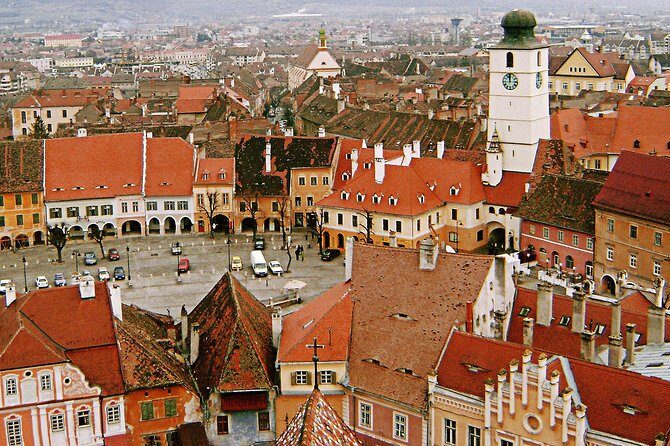
After Cozia, you’ll head to Sibiu, a medieval city shaped by centuries of peaceful coexistence between Romanians and Saxons. It’s also known for religious monuments from Catholics, Orthodox, and Protestants—so the city feels layered, not single-note.
Sibiu won European Capital of Culture status in 2007 and hosts a theater festival each year. The classic “walkable” feel here comes from its three squares: Big Square, Small Square, and Huet Square. Between the squares, towers, and 15th-century bastions, you get that medieval-town feeling without needing a long explanation.
Don’t miss the smaller visual details: the famous “houses with the eyes” are exactly the kind of thing that’s easy to overlook if you rush. If you like architecture, this is a good town to slow down.
And if church interiors matter to you, Sibiu also has one of the largest gothic evangelical churches in Transylvania.
A realistic consideration: Sibiu gets busy, and the walking stops will move you along. If you want more museum time, keep an eye on how much free time you truly have that day.
Other multi-day Transylvania tours we've reviewed

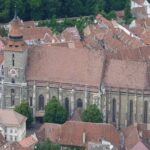
Day 2: Sighisoara’s UNESCO citadel and Brasov’s Black Church
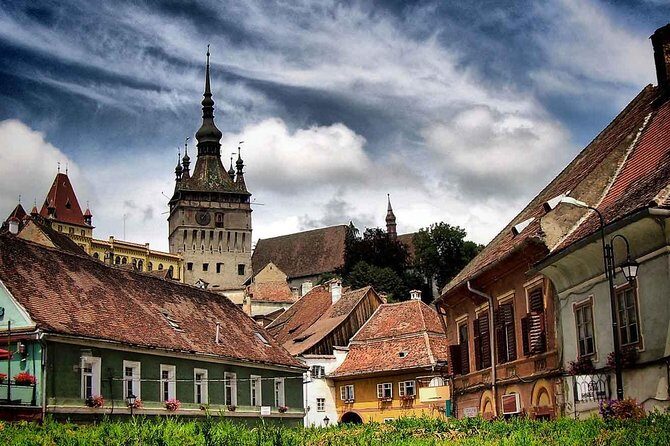
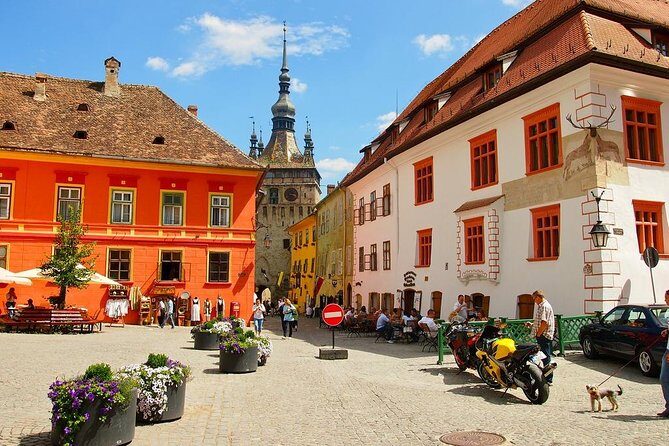
Day 2 leans into the medieval core feeling. You’ll go from the best-preserved citadel vibe at Sighisoara to Brasov’s major Gothic landmark.
Sighisoara: Clock Tower, hill church, and a citadel that’s still lived in
Sighisoara is the kind of town where the old streets feel lived-in rather than staged. The historic center is UNESCO-listed since 1999, and the citadel is described as the best preserved in Europe—also important, it’s still inhabited.
Your main points of interest include:
- The imposing Clock Tower
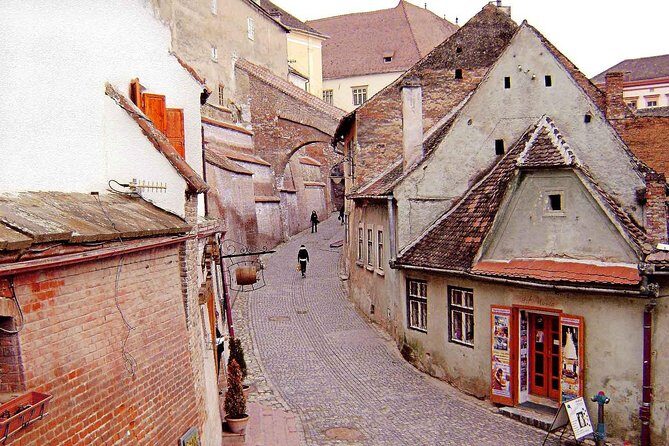
- The church on the hill, reached via a wooden staircase called the schoolchildren’s ladder
- The statue of Hungarian national poet Petofi Sandor
- A Catholic church reserved for the Hungarian community
- The tower of the shoemakers
There’s also a neat optional idea tied to Vlad the Impaler: lunch at the house where he was born is mentioned, though lunch there is not included. Even if you don’t eat that specific way, it’s a good reminder that Sighisoara is one of the stops where Dracula-era legends meet real streets and real buildings.
This day also tends to be very camera-friendly. In past feedback about similar runs, people appreciated frequent photo breaks and practical pauses for restrooms and short detours.
Brasov: fortified German architecture and the Black Church
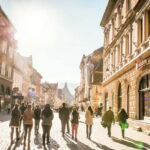
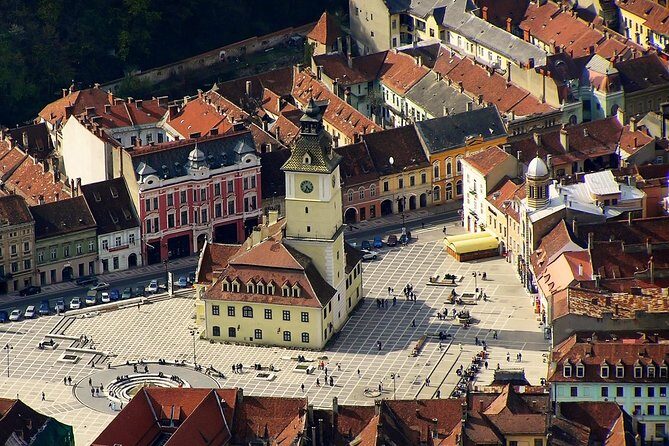
Then it’s on to Brasov, a town once entirely fortified and a major cultural, tourist, and commercial center. Brasov’s architecture is often described as typically German, with Gothic, Baroque, and Renaissance styles intersecting in a way that makes the streets feel visually busy—in a good way.
Key sights include:
- The First Romanian School in the oldest district, Schei
- The Schei district’s entrances through medieval gates, including the Caatherine’s and Schei Gate
- The Black Church, the largest evangelical Gothic church in Eastern Europe
- The Council Square area and the pedestrian Avenue of the Republic
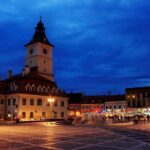
The Black Church is a big deal here. You’re told it has a 65-meter high bell tower and is about 90 meters long. It also houses a 19th-century mechanical organ. Even if you’re not a music person, that detail is worth storing in your brain for when you see it.
Time tip: Brasov has enough to keep you walking. If you’re not into churches, you can still enjoy the historic center architecture and the square life, but don’t skip the Black Church if it’s on your must-see list.
Day 3: Bran Castle for Dracula, then Peles Castle for royal elegance
The final day gives you two very different castle experiences. They’re both famous. They’re not the same kind of “famous.”
Bran Castle: Dracula mythology meets border history
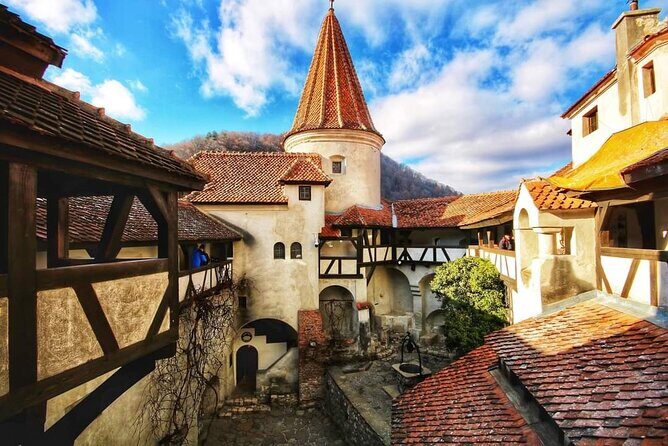
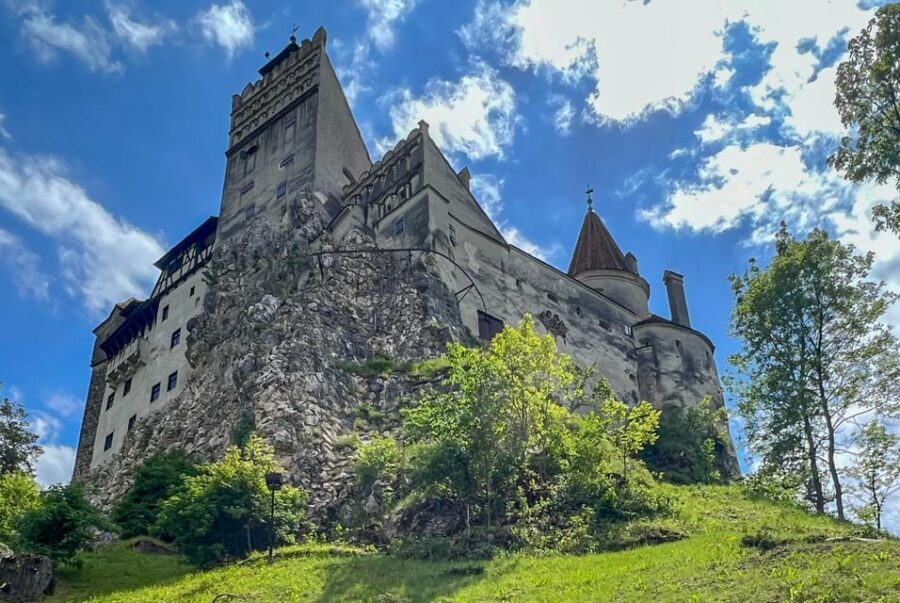
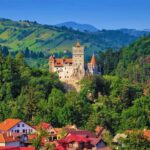
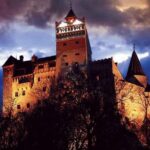
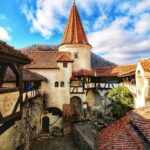
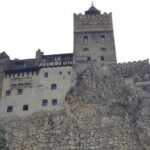
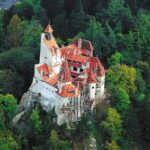
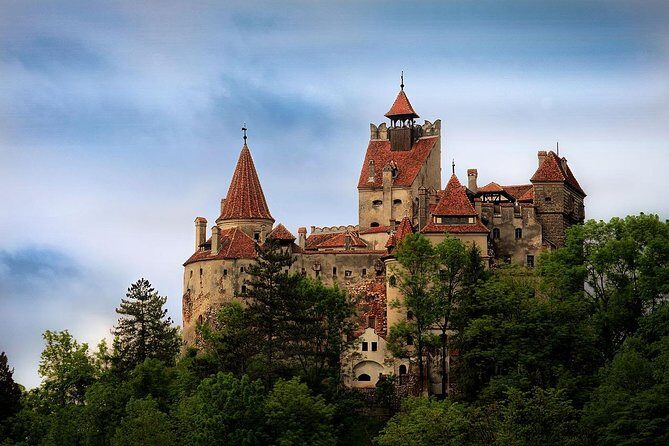
Bran Castle is near Brasov (about 25 kilometers) at the Bran–Rucar passage. It became widely known as Dracula’s Castle thanks to Bram Stoker’s Dracula legend from 1897 and later films, including Francis Ford Coppola’s adaptation.
But the castle’s real-world story is broader. The first documents about Bran appear in 1377. It had a strategic mission as a border between Transylvania and Wallachia. Over time, it was under different rules, including the King of Hungary Sigismund of Luxemburg, voievodes Mirco Il and Vlad Tepes (named in the description), and later the jurisdiction of the City of Brasov.
In 1912, it was donated by the municipality of Brasov to the Romanian royal family to become a residence.
Practical reality: Bran entrance is not included, and photo fees are something you should expect at museum sites where requested. If you go in expecting a cinematic replica, you may feel underwhelmed. If you go in expecting a real fortress with changing borders and legends layered on top, it tends to land better.
Peles Castle: royal residence detail instead of horror vibes
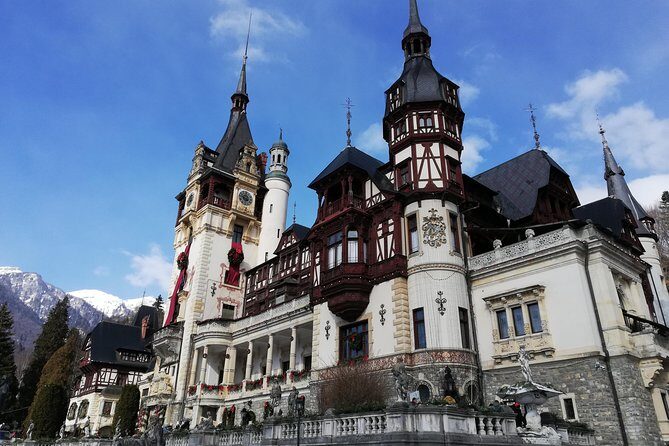
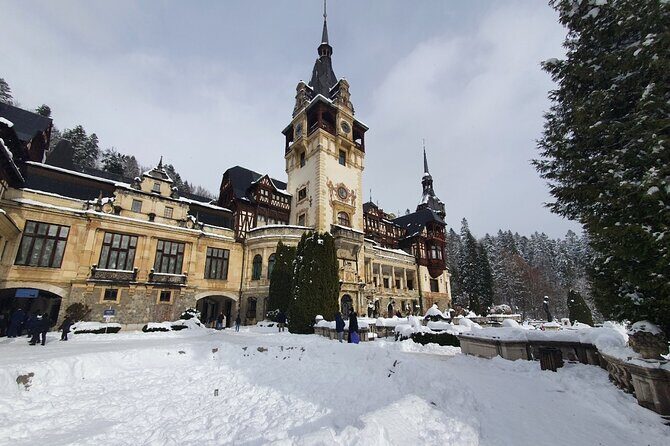
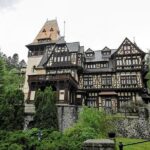
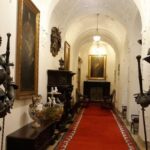
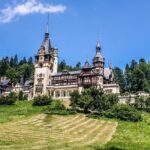
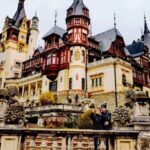
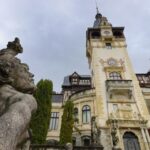
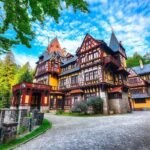
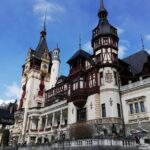
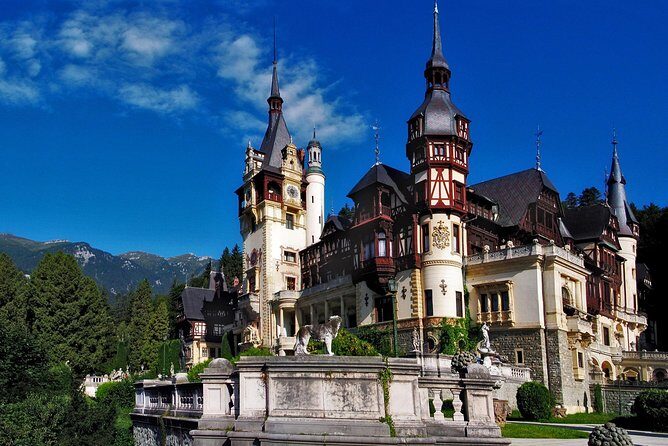
Next comes Peles Castle, the summer residence of the first King of Romania—King Charles 1 of Hohenzollern, of German origins. It was designed by a Czech architect and built between the 19th and 20th centuries. The description emphasizes that it was modern at the time, and each room has a unique style.
One room to remember from the details provided: the Florentine room, where you’ll breathe a typically Italian and Renaissance atmosphere.
Again, the entrance is not included. If castles are the core reason you booked, I’d factor that cost into your planning before you arrive.
A small mindset shift: this day is not just about seeing castles. It’s about comparing two types of fame. Bran leans into Dracula legend. Peles leans into design and royal era taste.
Price and value: what you get for $720.95 and what you’ll pay on top
At $720.95 per person for about 3 days, the value depends on what you hate dealing with when traveling. If you want smooth logistics—transport, planned stops, and a place to sleep—this price makes sense because 2 nights accommodation and breakfasts (2) are included, along with a driver and transport by air-conditioned vehicle.
What’s not included is where your budget can quietly change:
- Entrance fees for Bran and Peles
- Photo fees at museums where requested
- Food and drinks
So think of the price as covering the core trip infrastructure: transfers + the main schedule + lodging + breakfast. Then you add a “sightseeing layer” for castle entrances and photos.
Also note the single-room supplement: 50 euro, paid locally in cash. If you’re traveling solo and want your own room, plan for that extra amount early.
Group discount and mobile ticket are small wins that help the trip stay friction-free. And the max group size of 15 helps keep things from turning into a moving queue.
Comfort, hotels, and the guide factor that changes the whole trip
Accommodation is included for two nights, with 3-star mentioned in feedback as clean and basic. That’s not a negative; it’s a helpful expectation. You’ll likely get comfortable beds and a good location base, but not luxury-level rooms. If you’re picky about hotel style, you might want to ask what room categories are available (since there’s no upgrade promise in the provided info).
The guide style is another big deal for value. Feedback highlighted named guides like Mathias, a driver/tour-guide credited as Serbian, and Riga. What comes through in the praise is:
- Safety and steady driving (important on longer road days)
- A mix of guided time plus free time
- Practical suggestions, including where to eat traditional food
- Flexibility for small detours for photos and comfort breaks
Even better: group size is small, so “flexibility” usually means you’re not dragging a whole crowd through side streets.
Who should book this 3-day Transylvania tour from Bucharest
This tour fits best if you want:
- A structured Transylvania introduction with the classic sights in a short window
- Included lodging and breakfasts so you’re not hunting for hotels mid-trip
- A small group feel (up to 15) rather than a huge bus scene
- Dracula and castle time, plus medieval town wandering
It’s also a good match if you enjoy history in real places—fortified towns, UNESCO old centers, monasteries with specific decorative features, and royal residences with design you can actually see.
If your ideal trip is totally DIY (your own driving, your own pacing, and you never want entrance fees to change), then this might feel restrictive. In that case, you’ll want a more flexible self-guided plan.
If you’re traveling with kids, note the tour says children must be accompanied by an adult, and participation is described as possible for most travelers.
Should you book? My decision guide
I’d book this tour if you’re aiming for a first Transylvania trip that still feels human-sized and not like a rushed checkbox run. The combination of included hotels, breakfast, and round-trip transfers gives you real value versus cobbling together your own route. You also get a good mix: monastery calm, medieval-town wandering, and two castles that tell different stories.
I would pause before booking if you’re sensitive to extra costs from entrances and photo fees, or if you want highly detailed guided interpretation inside every museum room. The provided info says no tour guide will be following for everything, though local guides can be arranged for extra cost—so decide if that matters for how you travel.
If you want a simple Transylvania “starter kit” that still includes the big emotional hits (legends and architecture) with manageable logistics, this is a strong choice.
FAQ
Are airport transfers included?
The tour includes round-trip transfer from Bucharest as part of the experience, using an air-conditioned vehicle.
Is accommodation included?
Yes. The price includes 2 nights accommodation plus breakfast for 2 days.
Do I pay separately for Bran and Peles?
Yes. Entrance tickets for Bran Castle and Peles Castle are not included. Photo fees may also apply at museums where requested.
Will I have a guide during the whole trip?
The program is described as having a licensed tour guide for pickup and sightseeing. There is also a note that no tour guide will be following the tour, but local tour guides can be offered at extra costs.
How many people are in the group?
This experience has a maximum of 15 travelers.
Is pickup from my hotel included?
Pickup is offered, and you’re picked up from your selected hotel.
If I need a single room, is there an extra fee?
Yes. There’s a supplement for a single room of 50 euro, paid locally in cash.
How far in advance can I cancel?
You can cancel up to 6 days in advance for a full refund. Cancellations 2–6 days before get a 50% refund, and cancellations less than 2 days before are not refunded.