REVIEW · BUCHAREST
Dracula beyond the legend: 8-day private tour in Transilvania
Book on Viator →Operated by Rolandia · Bookable on Viator
Dracula has paperwork, and this tour proves it. This 8-day private route links the myth of Vlad the Impaler to the exact places people associate with his life and legend, starting right in Bucharest. I like how the trip mixes big-picture context with specific stops like the Palace of the Parliament and Old Town landmarks tied to Vlad-era history.
Two things I really enjoyed: the pace is built around guided time-saving transport (modern vehicle, airport transfers, and guided visits), and the planning is practical. Entrance fees are included for the listed sights, and you also get a special add-on like the carriage ride in Sibiu, which turns a museum stop into something more fun than standing in a queue.
One consideration: it’s a premium-priced itinerary, and you’ll spend long stretches in the car to cover a wide area of Romania. With a moderate fitness level (cobblestones, walking tours, and some stair-y spots), plan for a few active days, not a lazy vacation.
In This Review
- Key highlights to know before you go
- Vlad Tepes connections that make the myth feel real
- Bucharest’s Palace of the Parliament and Old Town: Day 1’s strong start
- Târgoviște and Curtea de Argeș: Wallachian power and a monastery legend
- Transfăgărășan Highway: the views break the Dracula spell
- Corvin Castle and Densuș Church: Gothic walls and ancient layers
- Alba Iulia’s citadel and Salina Turda: big fortifications, then underground fun
- Biertan and Sighișoara: Saxon fortresses where medieval life still shows
- Brasov, Bran, and the Snagov monastery story
- Day 8: a calm landing back in Bucharest
- How the private, small-group format affects your day
- Price, what you’re paying for, and who it fits best
- Should you book Dracula beyond the legend?
- FAQ
- What time does the tour start, and how long is it?
- Where are you picked up in Bucharest?
- Is the tour offered in English?
- How big is the group?
- What’s included in the price?
- Are meals included besides breakfast?
- Do you visit Bran Castle and Peles Castle?
- FAQ
- Can I cancel for a full refund?
Key highlights to know before you go
- Vlad Tepes connections, not just Dracula theme parks: you’ll visit sites that are tied to the real historical figure behind the legend.
- All entrance fees for the core stops: fewer add-on costs and less time figuring out tickets.
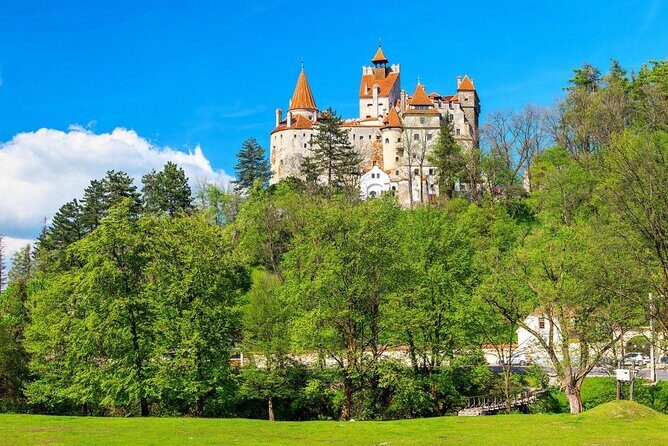
- Bran and Peles included: you get both the iconic cliff castle and Romania’s famous ornate royal palace.
- A small-group feel: maximum 8 travelers, plus a booking cap of 14.
- Sibiu’s ASTRA Museum with a carriage ride: hands-on, photo-friendly, and a break from castle-hopping.
Vlad Tepes connections that make the myth feel real
If you like Dracula stories, you’ll probably already know the basics. What makes this tour different is that it treats Vlad Tepes like a real person whose actions and era shaped the legend. The guide doesn’t just repeat spooky folklore; you get enough history to understand why these places mattered.
That matters because Transylvania isn’t one “Dracula stop.” It’s a whole patchwork of regions, castles, fortified churches, and towns where power shifted over centuries. This tour connects those dots, so the itinerary feels like a story with chapters—not a checklist.
And yes, the mood is still Gothic when it should be. Bran Castle and the Saxon-fortress atmosphere in towns like Sighișoara give you that movie feel. But the best moments come when you realize the scenery is built around real medieval defense and politics.
Other multi-day Transylvania tours we've reviewed

Bucharest’s Palace of the Parliament and Old Town: Day 1’s strong start
Your first morning starts at 9:00 am with pickup from any hotel in Bucharest. It’s an easy way to avoid the hassle of figuring out meeting points and transport on day one—especially after a flight.
The opener is the Palace of the Parliament, also called Casa Poporului. It’s the largest administrative building in the world, built between 1984 and 1997, and today it houses Romania’s Parliament. Even if you’re not a building-nerd, the scale sets the tone: Romania’s modern story is still shaped by the same lands and people behind the older legends.
Next comes a walking tour of Old Town (Centrul Vechi). This area has cafés, restaurants, and major sights, but the Vlad link is what makes it click. You’ll get a glimpse of Curtea Veche (The Old Court), described as the first royal court in Bucharest and once associated with Vlad Tepes.
Practical note: Old Town walking is best done at a steady pace. Bring comfortable shoes and plan for a few “picture stops” you’ll want to linger at.
Târgoviște and Curtea de Argeș: Wallachian power and a monastery legend
Day 2 takes you out to Târgoviște, the medieval capital of Wallachia. This is where the tour starts leaning hard into Vlad-focused history. You’ll learn that Târgoviște served as a Saxon colony in the 1200s, then became a secondary residence for Wallachian princes in the 1300s. The royal court was moved there in 1431, and it was constantly refurbished.
The story gets sharper with conflict history. In 1395, the city was sieged and burned by Bayezid I. In 1462, an Ottoman invasion was stopped from reaching the city by Vlad’s Night Attack. The point isn’t to memorize dates—it’s to understand why people later turned these events into legend.
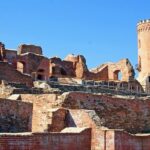
You’ll visit the Princely Church and Chindia Tower, two strong anchors for the area’s medieval identity.
Then you go to Curtea de Argeș Monastery, built between 1512 and 1517. This stop is famous for the legend of Manole, the myth that says you can’t create something everlasting without sacrifice. It’s the kind of story that helps you feel how deeply Romanian folklore is tied to real monuments, not just spoken tales.
The monastery is also described as a resting place for members of Romania’s royal house, which adds a quiet weight to the visit.
Transfăgărășan Highway: the views break the Dracula spell
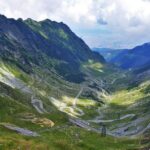
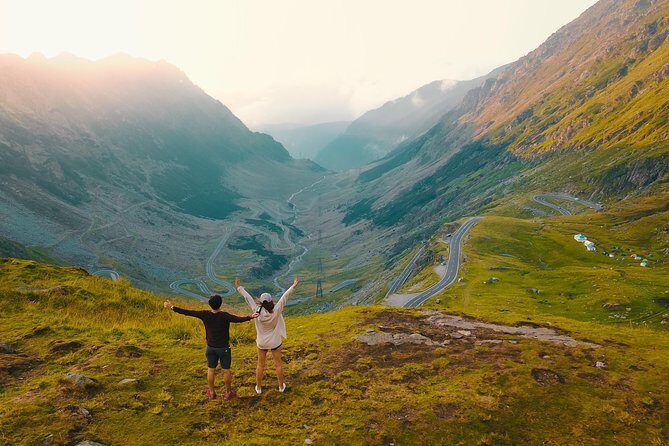
By Day 3, the tour wisely gives you a visual reset through the mountains. You’ll travel the Transfăgărășan Highway through the Southern Carpathians, reaching 2042 meters. The tour framing shifts from vampires to landscapes for a reason: long-distance travel can feel relentless unless the scenery gives you something worth looking at.
If you care about photos, this is where they’ll happen. Even with clouds or changing light, mountain roads usually reward you with dramatic angles and quick photo chances. Plan to keep your jacket handy—high elevations can feel cooler than Bucharest and flatter regions.
After the highway, you head to Sibiu, and this is one of the days people remember most. You’ll visit ASTRA Museum, including a ride with a wooden carriage. The museum holds over 300 traditional buildings and thousands of household objects, so it’s not just architecture. It’s the everyday life piece that makes the region’s culture feel lived-in.
Then comes Sibiu’s Old Town walking time, starting around Piata Mare (Big Square). You’ll see key landmarks like the Brukenthal Museum, the Holy Trinity Roman Catholic Cathedral, and Huet Square with its Evangelical Church. You’ll also have time to explore the city center at your own pace, which is where you can wander for cafés, small shops, and street photography without rushing.
Corvin Castle and Densuș Church: Gothic walls and ancient layers
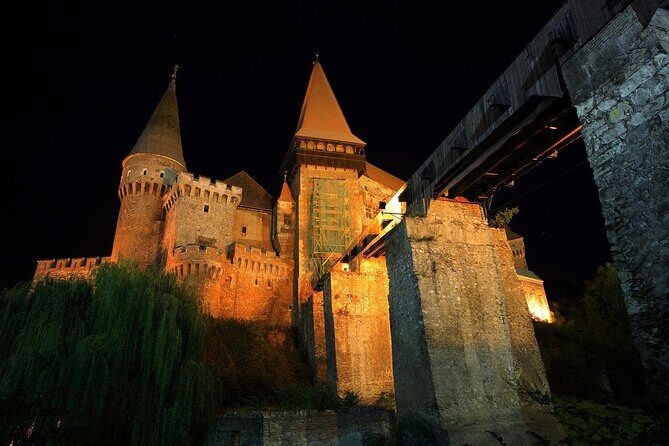
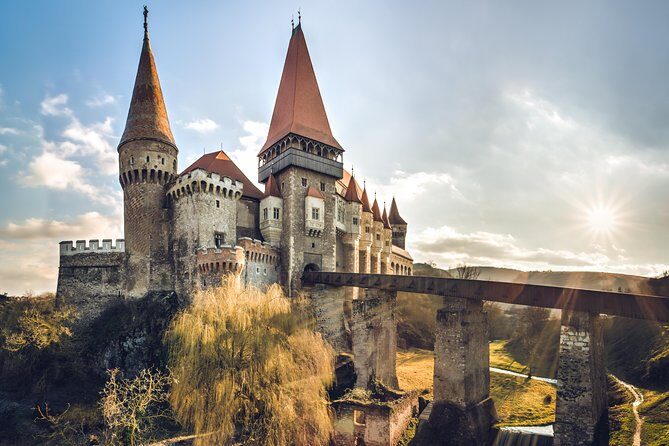
Day 4 starts with Castelul Corvinilor (Hunyadi Castle), often called one of the largest medieval castles in Europe. It’s described as Renaissance-Gothic, with tall towers, bastions, a moat, and a dramatic inner courtyard. And yes, the Vlad connection shows up again: there’s a legend that he was imprisoned here for seven years.
Even when legends aren’t provable, places like this still work. The castle’s design makes it feel defensible and powerful, which helps explain how rulers protected themselves—and how stories grew around them.
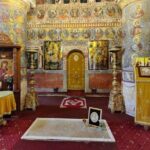
Next you go to Densuș Church in Densuș village. This church is said to date to sometime in the 7th century, with murals inside from the 15th century showing Jesus wearing traditional Romanian clothing. That mix—early Christian roots plus later artistic layers—makes this stop feel less like a “vampire attraction” and more like a surviving monument.
The church’s origins are debated. One hypothesis suggests an older pagan temple, based on details like altar placement, the dove-shaped roof, and lion statues linked by their tails. Another says it was built as a mausoleum to Roman general Longinus Maximus. Either way, the building becomes a lesson in how old landscapes get reused and reinterpreted.
Practical note: expect it to be quieter than the famous tourist castles. That can be a good thing if you prefer atmosphere over crowds.
Other private Dracula tours in Bucharest


Alba Iulia’s citadel and Salina Turda: big fortifications, then underground fun
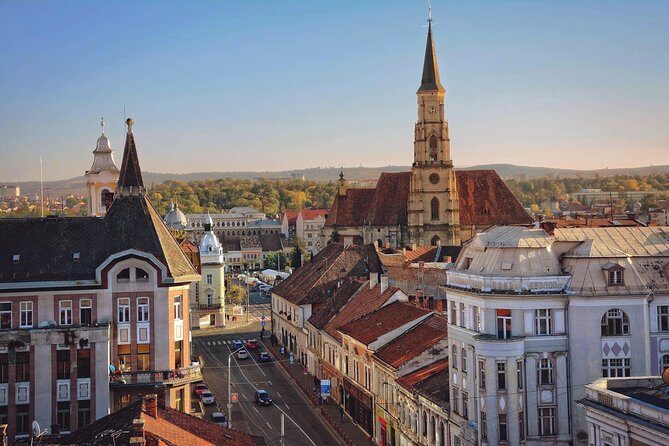
Day 5 takes you to Alba Iulia and the Alba Carolina Citadel, described as Romania’s largest medieval citadel. It was built between 1715 and 1738, and you’ll also learn about earlier fortifications on the site, including the Roman Castle of Legio XIII Gemina and the medieval Bălgrad Citadel.
A big theme here is defense planning. The citadel is described as part of a fortification system linked to Prince Eugene of Savoy, designed to protect newly conquered Habsburg territories. It’s noted as a representative Vauban bastion system, which makes this stop valuable for understanding how European military architecture evolved.
Then you head to Salina Turda in a Transylvanian salt region. The tour frames it as a “center of the Earth” kind of place. Salt deposits have been mined for centuries, with an early mention in 1075. Today, the mine is turned into an underground attraction with mini-golf, ping pong, bowling, a Ferris wheel, and even boat rides on an underground lake.
This is where the itinerary becomes more than history. It’s also where you get a real break from castles—something active, unusual, and weather-proof.
Biertan and Sighișoara: Saxon fortresses where medieval life still shows
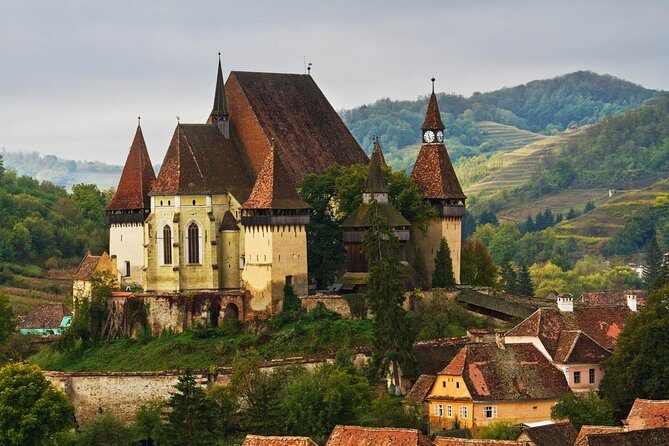
Day 6 focuses on Saxon heritage. You start with Biertan Fortified Church, in a nearby Saxon village. The church is surrounded by three sets of walls, and it’s known for its Gothic architecture. Fortified churches in this region weren’t just religious buildings; they were survival tools.
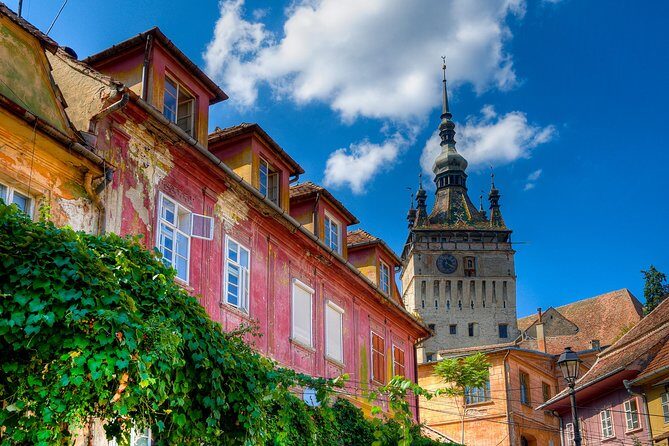
Then you move to Sighișoara, described as the only inhabited medieval fortress in Europe and a UNESCO World Heritage Site. The walk through the citadel is along winding cobblestone streets lined with historic buildings, and you’ll reach the Clock Tower, the city symbol. Inside, there’s a museum of medieval weapons and a torture chamber.
Yes, that’s a heavy theme, but it fits the setting. It also helps explain why these places were built to last: medieval life could be tense, and power was often enforced.
Sighișoara is also described as being considered the birthplace of Vlad the Impaler. You’ll visit the place associated with where Vlad lived for his first years. This is one of those moments where the tour’s whole Dracula thesis comes together: you’re not just seeing a castle—you’re seeing a town tied to his early life.
Brasov, Bran, and the Snagov monastery story
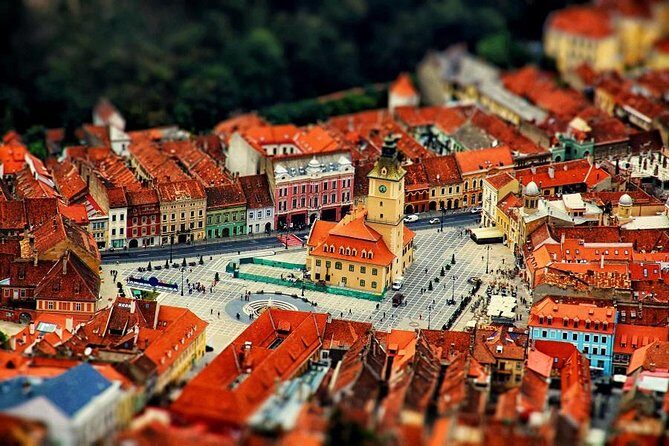
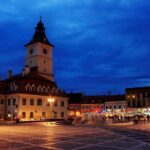
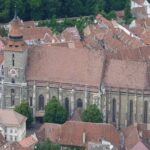
Day 7 brings you back to tourist-famous territory: Brașov first. You’ll take a walking tour of the historical center, including narrow streets, Council Square, and the Black Church, described as a famous Gothic cathedral. This stop is a nice contrast after the fortified-village feel of Biertan and Sighișoara.
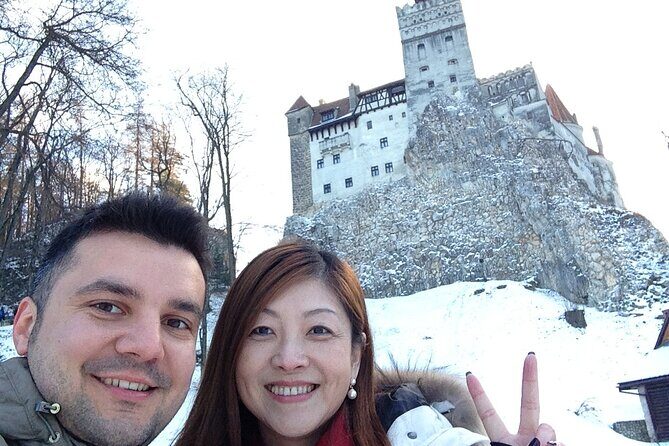
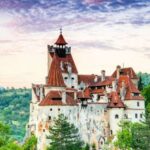
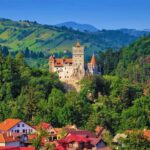
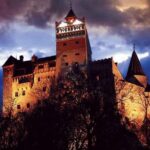
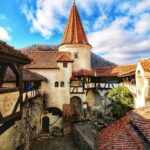
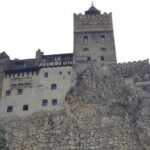
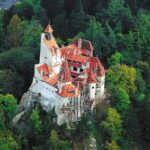
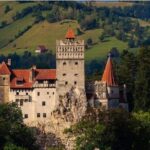
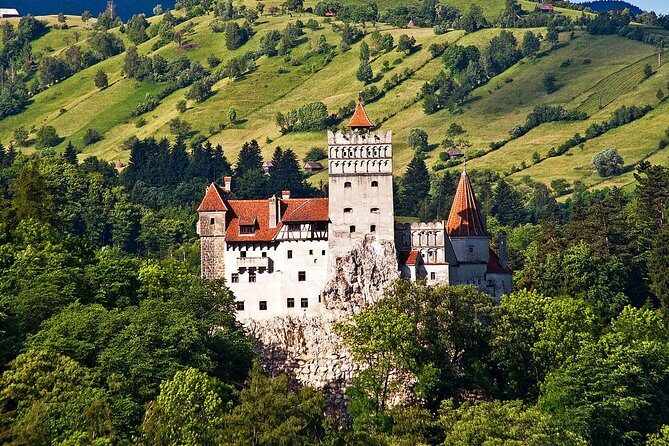
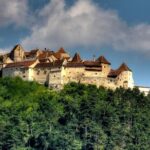
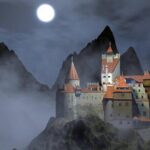
Then you go to Bran Castle, known as Dracula’s Castle. It was built in the 13th century on top of a 60-meter cliff, guarding an important access route into Transylvania. The location itself is part of the effect: the castle sits like it’s watching the road.
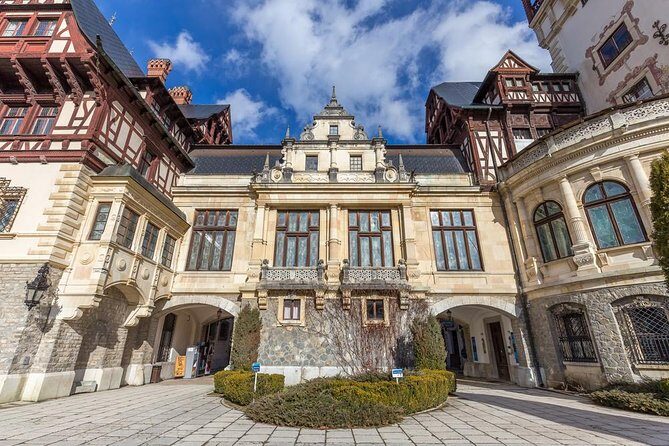
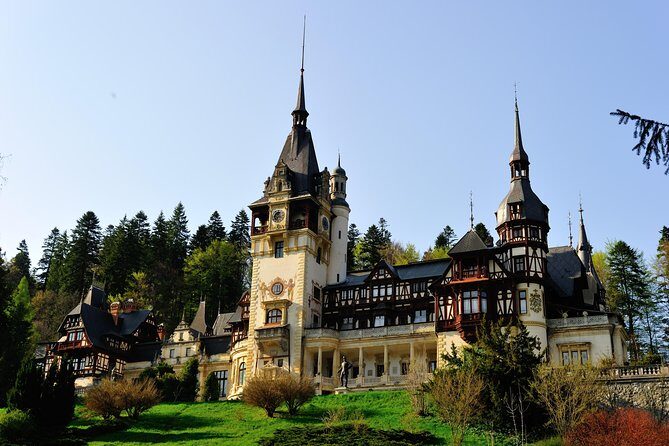
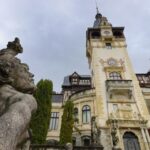
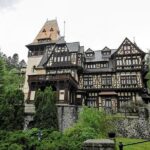
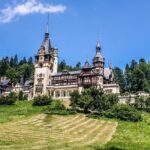
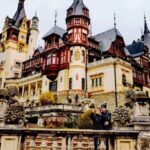
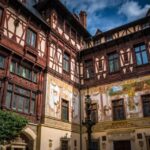
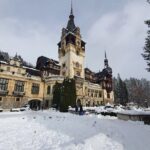
The tour also includes Peles Castle as one of Romania’s most famous castles. That pairing matters. Bran feels like the vampire set piece. Peles, by contrast, is the “royal palace” counterweight, so you get more variety than just more Gothic stone.
Finally, you end the day at Snagov Monastery, described as Vlad Tepes’s burial place. This is where the legend becomes very specific—and very contested. The tour notes controversy about where Vlad was buried and a legend that says his daughter ransomed him and brought him to Italy. The most commonly accepted legend in the description says rival aristocratic families prevented him from being buried after his assassination according to Christian custom, so monks allegedly stole his body and buried it properly in secrecy.
Whether you believe every version or not, this stop works because it gives you a clear explanation of why the story kept changing.
Day 8: a calm landing back in Bucharest
On Day 8, you’ll have a simple transfer back toward your flight. After breakfast, you’re transferred to the airport according to your flight hours.
It’s a practical finish to a trip with lots of travel days. You’re not left scrambling for transit on the last morning.
How the private, small-group format affects your day
This tour is structured as private and small-group, with a maximum of 8 travelers per experience. That matters for Romania road travel, where tight schedules can turn into stress fast. A smaller group also means you can ask more questions without feeling like you’re taking up the guide’s time.
You get a professional English-speaking guide, and the package includes guided transport and airport pickup/drop-off. For many people, the biggest value in a guided Dracula-themed route isn’t the theme—it’s that you don’t have to coordinate ticket timing, meetups, and long drives yourself.
The route is also realistic about walking. You should be comfortable with cobblestones and short to medium walking tours, because you’ll do them in Bucharest Old Town, Sibiu, Sighișoara, and Brașov. You don’t need to be an athlete, but “moderate physical fitness” is the right mindset.
Also, because entrance fees are included for the sites on the plan, you can focus on the moments that matter. Bring cash or card for lunches and dinners since meals other than those included aren’t part of the package.
Price, what you’re paying for, and who it fits best
The price is $3,113.31 per person, based on 2 people sharing a double room. That is not a budget number. But it’s also not just “guide time.” Your cost is covering a full week-plus of logistics: 7 nights in centrally located hotels (the materials describe them as 3-star/4-star categories), breakfasts, modern vehicle transport, airport transfers, entrance fees, and guided visits.
So the real question is whether you’re buying convenience and context. If you want to hit Bran, Peles, fortified churches, major citadels, and the ASTRA Museum without juggling tickets and train schedules, the value starts to make sense.
This tour is a strong fit for:
- couples and small groups who want a smooth plan
- people who care about the historical Vlad Tepes thread behind Dracula
- travelers who like castles and medieval towns but don’t want to do the planning work
It may feel less right if you want lots of unscheduled free time, or if you prefer one or two regions instead of a fast, wide-ranging route across Romania.
Should you book Dracula beyond the legend?
I’d book it if you want Dracula energy with real-world grounding—Vlad Tepes connections, fortified architecture, and towns that still feel medieval. The best part is the balance: Gothic mood when you want it, plus landscapes like the Transfăgărășan Highway and human-scale culture like Sibiu’s ASTRA Museum carriage ride.
I’d think twice if you’re sensitive to long car days or if the price feels steep. This is a “planned route” kind of trip, not a slow, self-directed wander. But if that suits your style, it’s one of the more efficient ways to see a wide slice of Transylvania and Wallachia while staying focused on the story.
FAQ
What time does the tour start, and how long is it?
It starts at 9:00 am and runs for about 8 days.
Where are you picked up in Bucharest?
Pickup is available from any hotel in Bucharest.
Is the tour offered in English?
Yes, it’s offered in English.
How big is the group?
The experience is capped at a maximum of 8 travelers, with a maximum of 14 people per booking.
What’s included in the price?
The package includes a professional English-speaking guide, 7 nights in centrally located hotels with breakfast, transportation in a modern vehicle, airport pick-up and drop-off, entrance fees for the listed sights, and a carriage ride in Sibiu.
Are meals included besides breakfast?
No. Meals other than those included in the itinerary (breakfast is included via the hotel stay) are not included.
Do you visit Bran Castle and Peles Castle?
Yes. Bran and Peles are listed highlights of the tour.
FAQ
Can I cancel for a full refund?
Yes. Free cancellation is available up to 24 hours in advance for a full refund.