REVIEW · BUCHAREST
4-Day Transylvania and Dracula Tour from Bucharest
Book on Viator →Operated by Trip2Ro · Bookable on Viator
Dracula follows you from city to castle. This 4-day Dracula tour from Bucharest strings together real Transylvanian towns, castles, and monasteries with a private guide, 3 nights of lodging, and daily breakfast—so you can focus on the places instead of logistics. I really like how the stops connect legend to location, especially around Vlad Tepes and the Bram Stoker story, not just the “photo-op” castles.
I also like the group size and pacing: you stay in a small group (max 15 travelers) and the days are planned at an easy rhythm, with plenty of time to look around and ask questions. One thing to consider: the biggest sights have entrance fees not included, so you’ll want some extra cash for tickets.
In This Review
- Key highlights at a glance
- Entering the Transylvania mood from Bucharest
- Price and what you’re really paying for
- How pickup and timing work (so you don’t lose the day)
- Small-group Transylvania: what max 15 changes
- Day 1: Sibiu’s medieval squares and Cozia Monastery
- Day 2: Gothic Corvin Castle and Alba Iulia’s 1918 story
- Day 3: Sighisoara’s UNESCO core and Brasov’s Black Church
- Day 4: Bran Castle, Peles Castle, and Snagov Monastery near Bucharest
- Comfort level, driving time, and how the pace feels
- Tickets, tips, and the extras that can change your final cost
- Who should book this Dracula and Transylvania tour
- Should you book this 4-Day Transylvania and Dracula Tour?
- FAQ
- What’s the duration of the tour?
- Does the tour include accommodation and breakfast?
- Are entrance fees included?
- How many people are in the group?
- Will there be a guide during the whole trip?
- Is pickup from my hotel included?
- Is there a cost for a single room?
Key highlights at a glance
- Dracula footsteps with practical context: the tour treats Vlad Tepes lore as a trail you can follow on the ground
- Small-group feel (max 15): easier conversations and more time at the places that matter
- Sibiu’s medieval squares + museums: Big Square, Small Square, Huet Square, plus major churches
- Two “great castle” visits: Bran Castle (Dracula) and Peles Castle (royal splendor)
- Sighisoara stays UNESCO-level intact: a living citadel with the Clock Tower and Schoolchildren’s Ladder
- Snagov Monastery near Bucharest: a quick, atmospheric stop on the way back
Entering the Transylvania mood from Bucharest
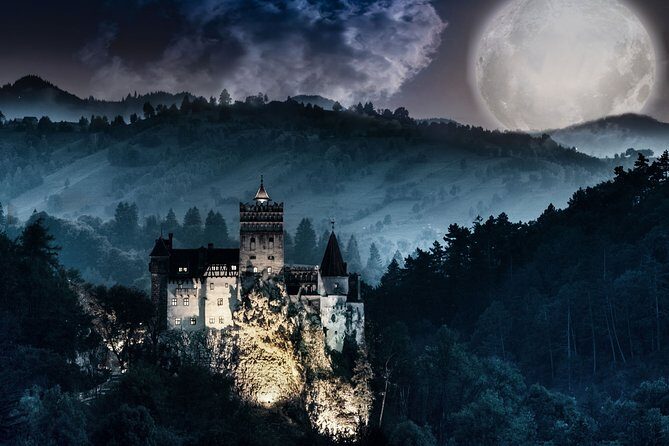
If you only know Dracula from novels and films, this trip helps you turn the story into a map you can walk. You start in Bucharest, then move day by day into Transylvania’s historic towns, Saxon architecture, and fortified cities—places where centuries of Central European influence are still visible.
The value here is that the tour is set up as a “road trip with structure.” You get transport by air-conditioned vehicle, you’re not worrying about intercity routes, and you have daily breakfast during the 3-night stay. It’s a good match for people who want to see a lot without feeling rushed through each stop.
Other day trips from Bucharest we've reviewed

Price and what you’re really paying for
The tour costs $1,023.50 per person for the 4-day experience. For that money, you’re mostly paying for the planning that turns a remote region into a smooth route: transfers from your hotel, guided commentary across multiple towns, and 3 nights accommodation built into the program.
Entrance tickets are the main extra cost you’ll likely pay on your own. Stops like Bran Castle and Peles Castle list entrance fees as not included, and Castelul Corvinilor is also not included. You should budget for those major sites so the price doesn’t surprise you mid-trip.
There’s also a single room supplement of 70 euro, paid locally with cash. If you’re traveling solo and want your own space, plan for that upfront.
How pickup and timing work (so you don’t lose the day)
This tour runs with a start time of 8:30 am, and pickup is described as 9:00 am from your hotel. That’s an important detail. If your hotel check-in times are messy or you’re staying just outside the city center, confirm pickup specifics when you book.
You’ll be dropped back at your hotel at the end. The tour also uses a mobile ticket, which is handy if you don’t love digging through paper confirmation folders.
Finally, bring comfortable walking shoes. Even when you’re not doing “all-day hiking,” the stops include old-city streets, stairs, and castle grounds where you’ll stand longer than you expect.
Small-group Transylvania: what max 15 changes
Max 15 travelers sounds like a marketing number until you feel the difference. In a small group, your guide can shift the flow a bit—spending extra moments when people ask questions, or adjusting timing when a stop runs long.
The tour’s human side also matters. In the guide stories tied to this experience, George is repeatedly described as patient, flexible, and good at reading what the group wants—so you get more than a checklist of sites. Liviu is also mentioned as a guide who was funny and knowledgeable, which is a nice sign that the tour aims for more than just dates and names.
Day 1: Sibiu’s medieval squares and Cozia Monastery
Your first day sets the “Transylvania vibe” fast. You start in Sibiu, a city where centuries-old religious life is visible in the architecture—Romanian Orthodox, Catholic, and Protestant landmarks all sitting in the same medieval-era setting. Sibiu is also known as European Capital of Culture (2007), and the city’s ongoing theater culture fits the feel of a living historic center.
The program focuses on Sibiu’s three squares—Big Square (Piata Mare), Small Square, and Huet Square—so you get that classic step-back-in-time feeling as you walk. You’ll also see towers and 15th-century bastions, plus museums and the famous houses with the eyes. If you enjoy architecture, this is the day when you’ll likely start pointing out details like textures, gables, and street layouts that make Saxon-influenced towns feel distinct.
After Sibiu, you head to the Cozia Monastery. It’s a 14th-century Wallachian monument with Armenian-style decorative elements on the façade and frescoed interiors. It’s the kind of stop that breaks up the castle-heavy theme with something more spiritual and visual—especially if you like religious art and older craftsmanship.
Practical note: Cozia is listed as a short stop (around 30 minutes) with admission free, so come ready to look, not to linger for hours.
Other multi-day Transylvania tours we've reviewed

Day 2: Gothic Corvin Castle and Alba Iulia’s 1918 story
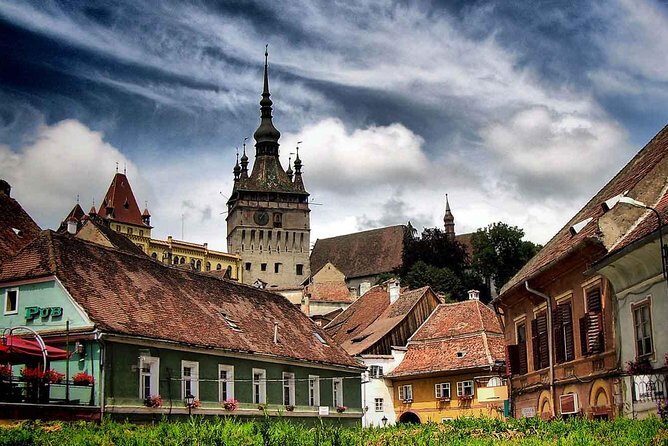
Day 2 moves into stronger fortification and power symbolism. You visit Castelul Corvinilor (the Castle of Corvini), famous for its Gothic style and for the views around it. This is the kind of place where film sets make sense. Even if you’re not into castles, you’ll likely appreciate the shape of the structures and the surrounding scenery.
The tour gives you about an hour there, and entrance fees aren’t included. That’s a common pattern on this trip: the big-name sites are where extra ticket costs show up.
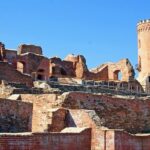
From there, you continue to Cetatea Alba Iulia in Alba Iulia. This is one of Romania’s key historical points: the tour calls out the Great Romania event on December 1, 1918. You’ll explore the citadel area with its walls and museums, and you get a sense of why this place mattered politically.
If you like history but you also want visuals, Alba Iulia offers both. It’s not just plaques; it’s a real, enclosed citadel that makes the scale of events easier to imagine.
Day 3: Sighisoara’s UNESCO core and Brasov’s Black Church
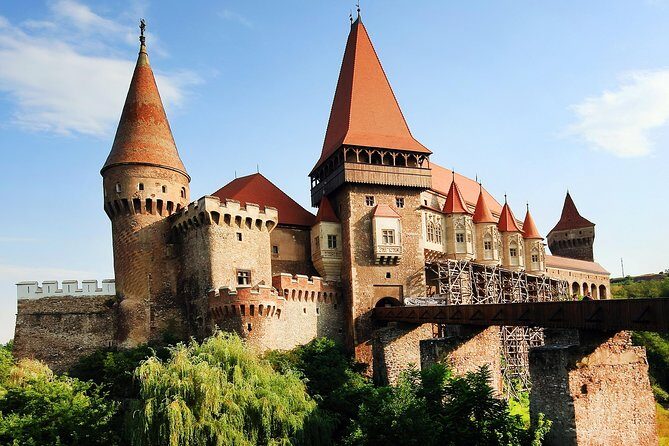
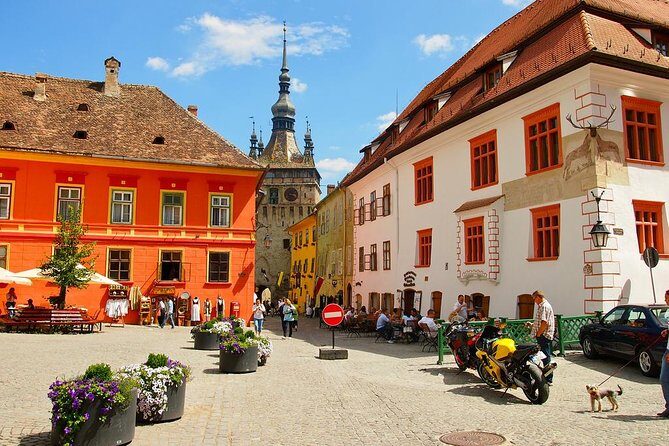
Day 3 is where the trip feels most “storybook medieval.” You start in Sighisoara, a UNESCO historic center with a citadel that’s still inhabited. The focus is on the Clock Tower and the idea that you’re walking through a living historic space, not an emptied museum neighborhood.
You’ll climb or use the accessible approach to reach the hill church via the Schoolchildren’s Ladder, which is one of those details that makes a place memorable. The tour also spotlights cultural layers: a statue of Petofi Sandor connects to the Hungarian national poet, and you’ll see landmarks associated with the Magyar community. Even if you don’t know the people or names yet, it helps explain how Transylvania wasn’t one culture—it was many, living side by side.
Lunch is your own time, and the tour notes options like eating where Vlad the Impaler was born (at your own expense). That’s a good hint for how flexible the day can be if you want to spend extra time in a specific corner of old town.
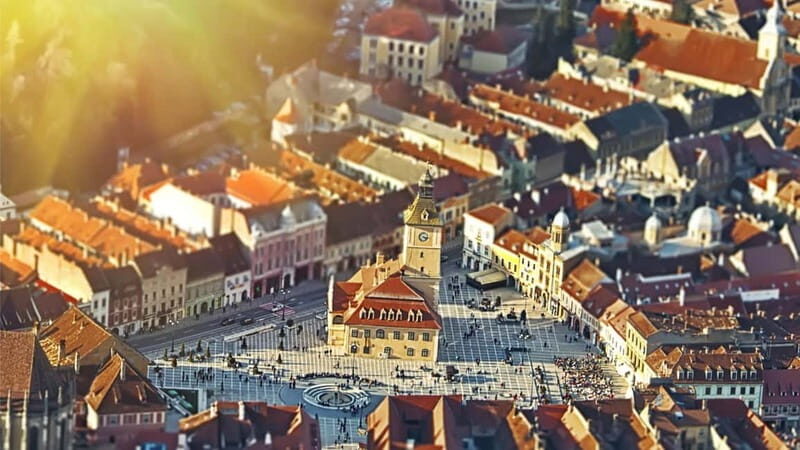
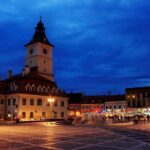
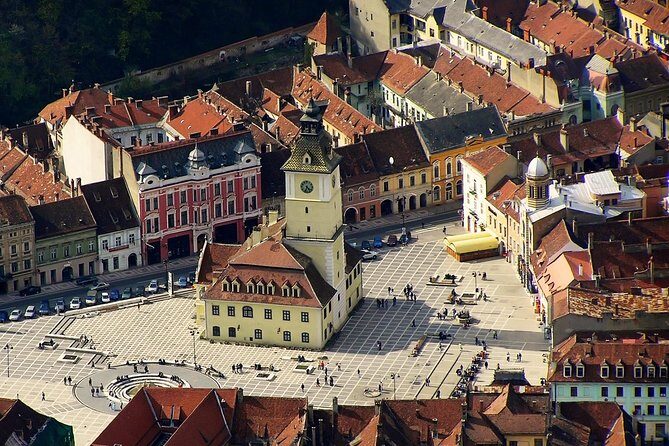
Then you head to Brasov Historical Center. Brasov is where you get that German-influenced architecture—Gothic, Baroque, and Renaissance elements mixed in a way that feels distinctly Transylvanian. The program highlights the Schei district and city gates that connect to medieval approaches into town.
The big centerpiece is the Black Church, described as the largest evangelical Gothic church in Eastern Europe, with a 65-meter bell tower and an organ that’s one of Romania’s famous mechanical instruments. If churches are your thing, this stop is worth planning around. It’s also listed as free for admission on the day schedule, which helps keep ticket costs lower here.
You’ll end with time around the restored historic center and places like Council Square and the pedestrian Avenue of the Republic.
Day 4: Bran Castle, Peles Castle, and Snagov Monastery near Bucharest
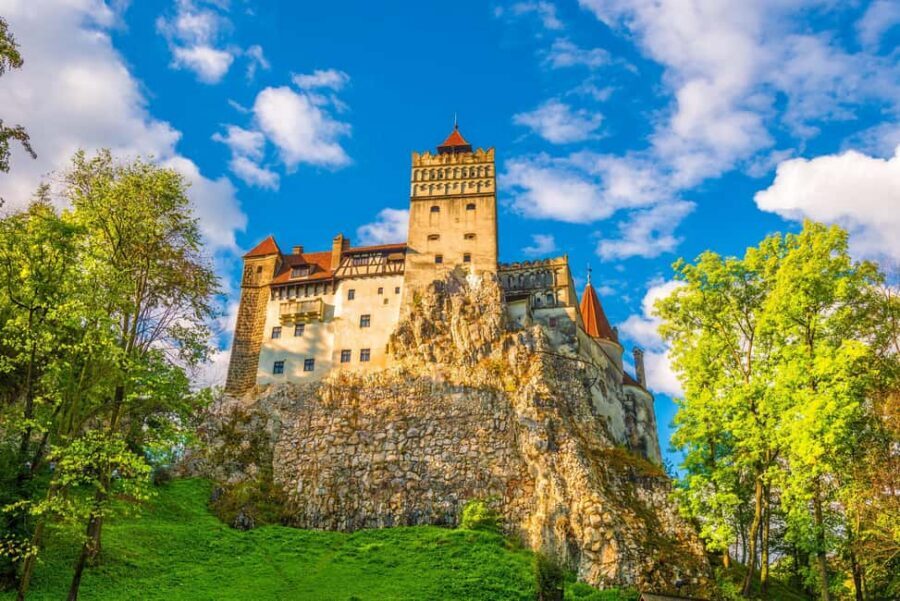
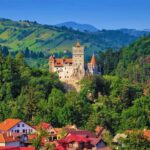
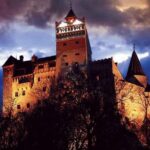
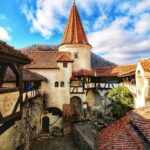
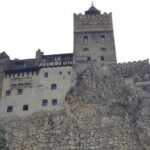
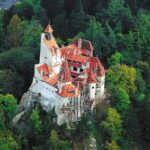
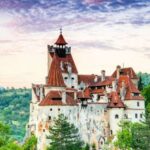
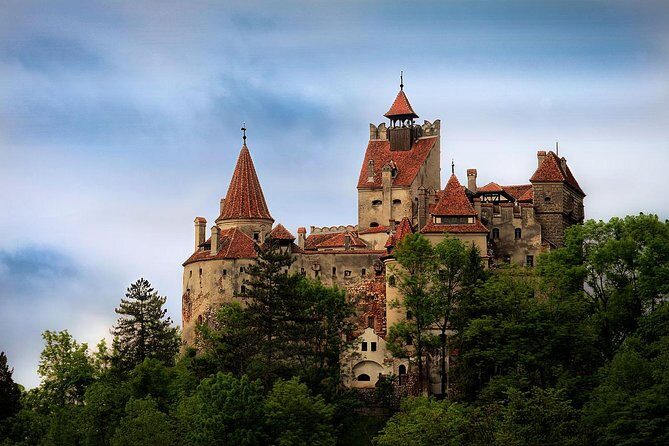
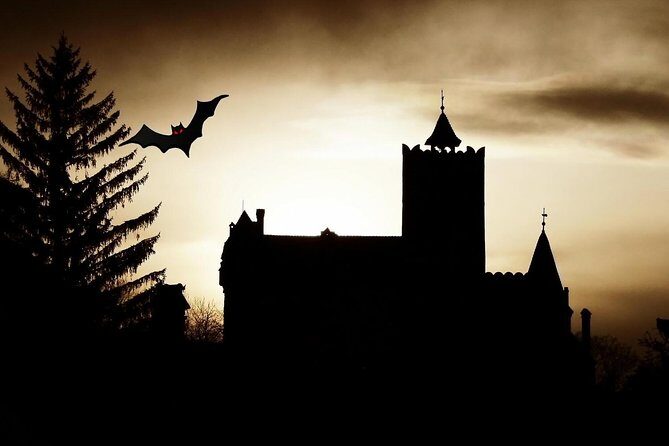
The final day is the “Dracula meets royal Europe” combination. You start with Bran Castle, often called Dracula’s Castle. Bran sits about 25 kilometers from Brasov, near the Bran–Rucar passage, and the tour explains how it became famous through Bram Stoker’s 1897 Dracula and later film interpretations.
Historically, Bran also had a strategic role as a border point between Transylvania and Wallachia. You’ll hear how control shifted among Hungarian kings, Wallachian rulers like Mircea cel Bătrân and Vlad Tepes, and later the jurisdiction of Brasov. That background matters because it keeps Bran from feeling like a random “mystical” stop. It’s a fortress with a real geography.
Entrance fees are not included and it’s scheduled for about two hours—enough time to walk, take in views from the grounds, and then enjoy the museum-like inside areas at a steady pace.
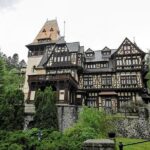
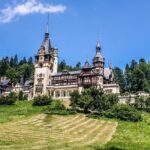
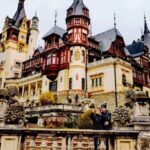
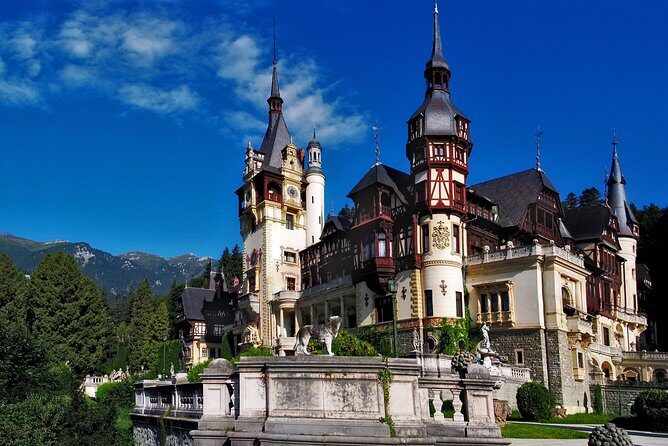
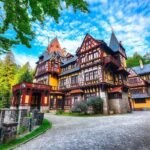
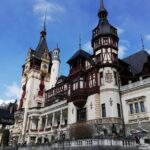
Next comes Peles Castle, the counterweight to Dracula vibes. This is the summer residence linked to the first king of Romania, Charles I, and it’s known for its 19th–20th century design. You’ll be in for about two hours and, again, entrance fees aren’t included.
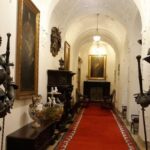
This is where the tour shines if you love interiors. The program notes that each room reflects a different style and calls out the Florentine room as a standout. If Bran is all about legend and defense, Peles is about craftsmanship and royal presentation.
Finally, you stop at Lake Snagov and the Snagov Monastery on its small island. The tour description places Dracula’s burial there in 1476—a claim presented as part of the Dracula tradition. Even if you take it as legend, it’s still an atmospheric location: water, a small island monastery, and a sense of quiet after two big castles.
Comfort level, driving time, and how the pace feels
This is not a “slow travel” trip. It’s a route-built tour with stretches of driving between towns. One of the positives in how the tour is described by people who’ve done it is smooth, confident driving in a comfortable vehicle, and an easy pace once you arrive at each stop.
You should still plan your energy like this: expect more time on the road than a city-walk day. If you’re prone to car sickness, bring something that works for you. If you’re fine with road time, you’ll likely appreciate it because you get to see countryside and historic towns in a single loop.
Also, pay attention to the tour guidance model. The experience is described as including a private guide, but the added note says no tour guide will be following you at every point, and local tour guides may be offered for extra costs. That usually means you’ll have narration and direction from your main guide, but some deeper site interpretations may vary by location.
Tickets, tips, and the extras that can change your final cost
Here’s the practical budgeting reality: entrance fees are not included for several key attractions, including Bran Castle, Peles Castle, and Castelul Corvinilor. Some other segments are listed as free (or included), like the Cozia Monastery admission free and Brasov’s Black Church area visit as free in the schedule—so not every stop will cost you.
Tips for the guide are also not included. If you like strong guide service (and this tour is set up to support it), budgeting a tip is just part of travel reality.
And don’t forget the single room supplement if you want a private room.
Who should book this Dracula and Transylvania tour
This tour is a strong fit if you want:
- A structured Transylvania introduction from Bucharest without planning your own intercity route
- A Dracula route that includes famous sites (Bran) and high-value alternatives (Sibiu, Sighisoara, Alba Iulia)
- A small group experience with a guide style that can adjust to your questions and pace
It’s less ideal if you want only one castle and you love slow, deep museum time. The tour packs in several major stops, so you’ll get a good overview rather than the kind of day where you spend hours in just one place.
Should you book this 4-Day Transylvania and Dracula Tour?
Yes, if you want Transylvania in a single, guided circuit and you’re okay paying some entrance fees for the biggest sights. The combination of Sibiu’s medieval core, Sighisoara’s UNESCO citadel feel, Brasov’s Black Church, and the final “castle duo” of Bran + Peles is a solid arc for first-time visitors.
I’d book this with extra confidence if you value a guide who’s flexible and communicative. The named guides associated with this experience—George, Liviu, and Alex in coordinating roles—show up in the service vibe: patient, accommodating, and tuned to the group.
If your budget is ultra-tight, read the ticket list carefully and set aside money for Bran/Peles/Corvin Castle. If you do that, you’ll avoid the most common problem: feeling priced out at the gate.
FAQ
What’s the duration of the tour?
The tour runs for 4 days (approx.), starting at 8:30 am with pickup from your hotel at 9:00 am.
Does the tour include accommodation and breakfast?
Yes. It includes 3 nights accommodation and 3 breakfasts.
Are entrance fees included?
No. Entrance fees are not included for several stops, including Bran Castle, Peles Castle, and Castelul Corvinilor. Some listed stops are free in the schedule.
How many people are in the group?
The tour has a maximum of 15 travelers.
Will there be a guide during the whole trip?
The tour includes a private guide for the experience, but it also notes that no tour guide will be following you for every part of the visit, and local guides can be offered at extra cost.
Is pickup from my hotel included?
Yes. Pickup is offered from your hotel, and you’ll be dropped back at your hotel after the tour.
Is there a cost for a single room?
Yes. A single room supplement of 70 euro is paid locally with cash.