REVIEW · BUCHAREST
Mystical Monasteries, Dracula’s Tomb and Mogosoaia Lake Palace – Private Tour
Book on Viator →Operated by Discover Romania Tours · Bookable on Viator
Dracula feels close when it’s tied to real stone. This private route links lake monasteries, Vlad Țepeș folklore, and the Mogosoaia Lake Palace in one 4 to 5 hour block, with a driver handling the in-between travel. I especially like the door-to-door pickup so you can start sightseeing fast.
You’ll also get a guide who shares practical background as you go, plus comfort upgrades like onboard high-speed Wi‑Fi, bottled water, and a sweet surprise at the start. The only real drawback to plan for is seasonal disruption, since interior access can be affected during busy preparation periods.
In This Review
- Key Highlights to Know Before You Go
- A Half-Day Circuit That Feels Like Three Days
- Price and Value: What $132.03 Actually Buys
- Stop 1 in Bucharest: University Square and Quick Monument Views
- Caldarusani Monastery: Orthodox Architecture on a Lake Island
- Snagov Monastery and Dracula’s Tomb: The Story, the Island, the Stone
- Mogosoaia Lake Palace: Brancovenesc Style With an Ottoman-era Tragedy
- Two Fast Bucharest Pass-bys: Arcul de Triumf and Revolution Square
- Timing, Weather, and the Only Real Surprise Risk
- Who This Tour Fits Best (and Who Might Want Something Different)
- Should You Book This Mystical Monasteries and Dracula’s Tomb Tour?
- FAQ
- How long is the tour?
- Is the tour private?
- Do you offer hotel pickup in Bucharest?
- What languages does the guide/driver speak?
- Is Wi‑Fi available during the drive?
- Are the monument entrance tickets included?
- Does the tour run in any weather?
- Can I cancel for free?
Key Highlights to Know Before You Go
- Private car, real time savings: less waiting and no shared-van shuffling.
- Caldarusani Monastery on a lake: an Orthodox site that’s tied to early Romanian language work.
- Snagov Monastery setting: Byzantine-style architecture on an island and the Dracula’s Tomb story nearby.
- Mogosoaia Lake Palace in Brancovenesc style: classic Romanian flavor, plus Ottoman-era tragedy in the backstory.
- Photo-friendly passes in central Bucharest: quick looks at Arcul de Triumf and major memorials.
- Guide personalities matter: Marius and Toni came through as standout drivers/hosts for many visitors.
A Half-Day Circuit That Feels Like Three Days
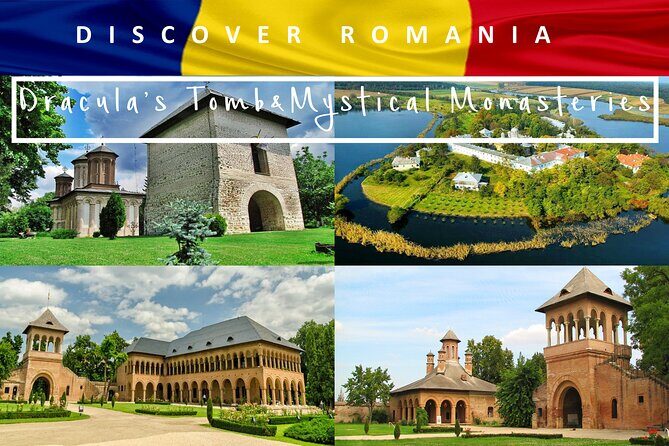
This is one of those Bucharest-area tours that makes time behave. Instead of spending your day hopping between locations by public transport, you get a private vehicle and a guide who keeps the story moving stop to stop. It’s built for people who want atmosphere and context, but also want their afternoon back.
The pace is mostly steady: a few brief stops in central Bucharest, then two guided monastery visits and one palace. At the end, you’re not left with the feeling that you only saw parking lots. You’ll actually have time at each main site (about an hour each for Caldarusani and Snagov, and about an hour for Mogosoaia Lake Palace).
One smart part is how the route mixes “sightseeing” with “place.” Caldarusani isn’t just another church stop. It’s described as a major monument of Orthodox architecture, built in 1638 by Matei Basarab on a small piece of land in the lake. Snagov adds the famous Vlad Țepeș connection and a very specific monastery layout. Mogosoaia Palace then shifts you from religious architecture to a distinctly Romanian court style (Brancovenesc).
If you like your tours to feel like a guided walk through a themed chapter, this one fits.
Other Dracula's Tomb and Snagov tours in Bucharest
Price and Value: What $132.03 Actually Buys
The price is listed at $132.03 per person, and that sounds fair only if you understand what’s covered. You get a private, air-conditioned vehicle, a driver/guide who speaks English/French/Italian, onboard high-speed Wi‑Fi, plus bottled water and a sweet surprise at the start. On top of that, there are group discounts mentioned, and the tour is offered as a mobile-ticket experience.
What’s not included is the cost of two entrances: Snagov Monastery and Mogosoaia Lake Palace. That matters because the true cost depends on those ticket prices on the day you visit. Still, from a planning standpoint, it’s easy to budget: you’ll pay the added entrances directly for those two stops.
Duration matters here. At roughly 4 to 5 hours, you’re not paying for a long day that eats your energy. This makes it a good fit if you’re also seeing things in Bucharest itself and you don’t want to lose a full day to driving.
One more practical note: it’s commonly booked about 25 days in advance, which tells me it’s popular enough to justify booking earlier rather than gambling on last-minute availability.
Stop 1 in Bucharest: University Square and Quick Monument Views
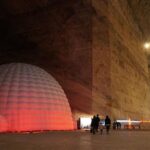
You start at University Square, with quick pass-bys that set the Bucharest tone. You’ll go by the National Theatre and the Revolution Martyr’s Memorial, both tied to Romania’s modern story. The stop is short (around 5 minutes), and that’s intentional.
I like this kind of opening because it helps you orient before you leave the city. Even if you’re not deep into monuments, these pass-by moments give your day a sense of place: Bucharest isn’t just the departure point for day trips. It has its own layers, and you’re threading them into the trip.
If you’re the type who hates rushing, don’t worry. The real time is saved for the lake monasteries and palace, where you’ll have enough minutes to slow down and look around.
Caldarusani Monastery: Orthodox Architecture on a Lake Island
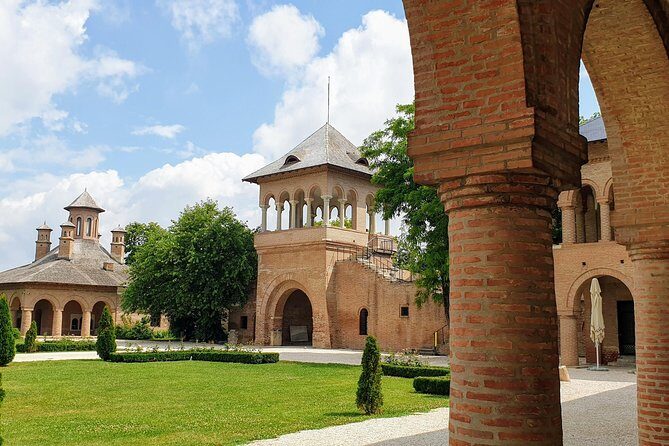
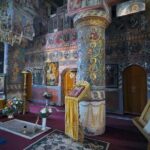
Caldarusani Monastery is where the tour turns from “drive and glance” into real atmosphere. This site is described as one of the most important monuments of Orthodox architecture, built in 1638 by Matei Basarab. The setting is part of the draw: it sits on small land in the lake itself.
I like how the story connects architecture to everyday intellectual life. The site also had a school of copyists, and over time that work contributed to the creation of the Romanian language. That’s not just a fun fact. It gives you a way to read the monastery beyond aesthetics. When you see religious spaces in Romania, you’re also seeing the machinery of language, teaching, and local identity.
There’s also a darker surrounding reference: near Caldarusani, in the Forests of Vlasia (Codrii Vlasiei), Vlad Tepes was killed in a treacherous act by his boyars. That adds tension to the peaceful lake setting. You go from calm water to political danger without traveling far.
Best part for most people: it’s free to enter this stop, so you can focus on the experience rather than counting costs. Time on site is about an hour, which is enough to appreciate both the place and the guide’s explanations.
Snagov Monastery and Dracula’s Tomb: The Story, the Island, the Stone
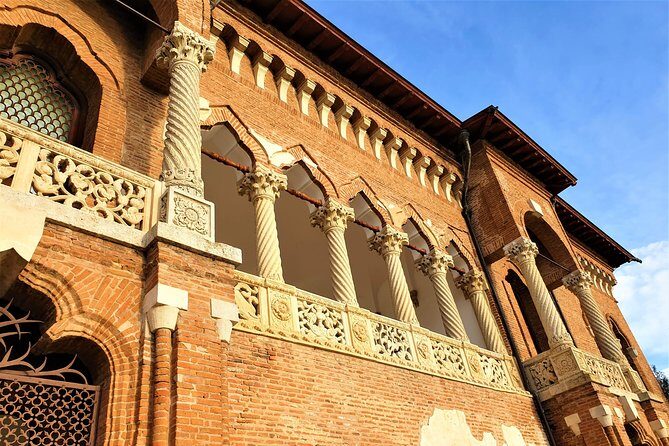
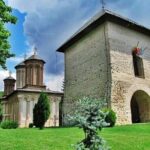
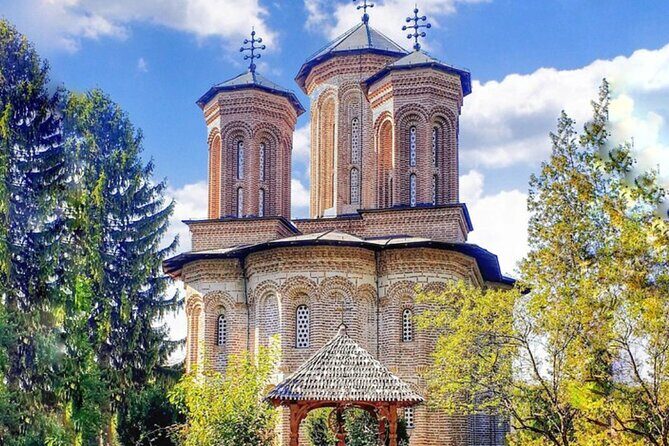
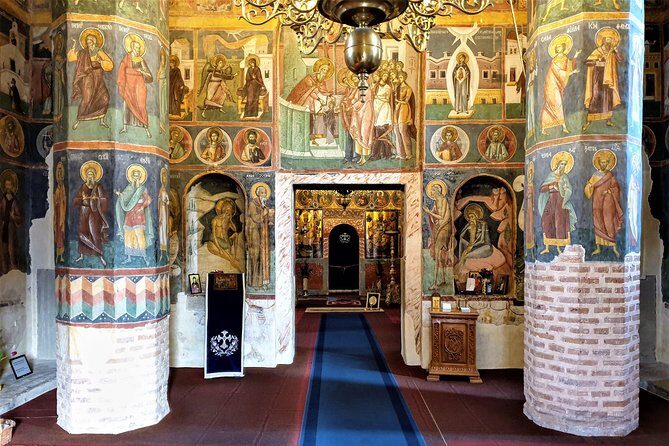
Snagov is the stop most people remember, even if you’re not chasing Dracula trivia. The monastery sits on a small island on Lake Snagov and is described as built around 1408 with Byzantine architecture and Romanian impressions. Even before you hear the folklore, the layout and setting already feel distinctive.
Vlad Țepeș is part of the narrative here in a very concrete way. During his reign, the monastery is said to have gained improvements like a fortified stone wall and a narrow bridge connecting to the main land used by visitors today. So you don’t just get a legend in the abstract. You get physical changes tied to the story.
The guide context can also add a surprise angle: Antim Ivireanul, an important scholar of the time, published some of the first Romanian books using Latin alphabet letters here. That’s a fascinating “culture and religion meet printing” detail, and it helps you see the monastery as more than a filming location for the Dracula vibe.
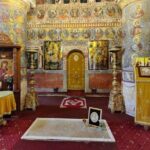
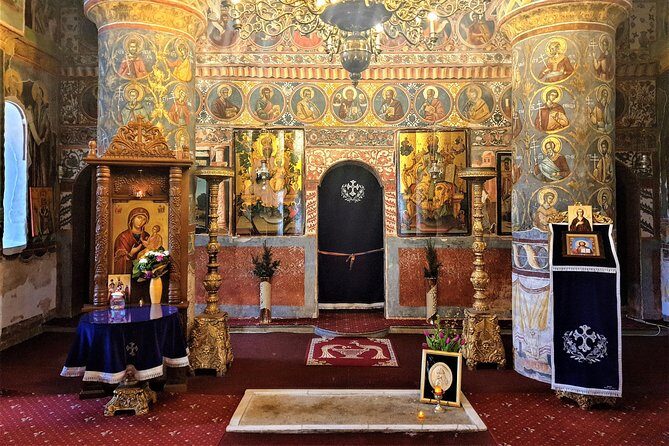
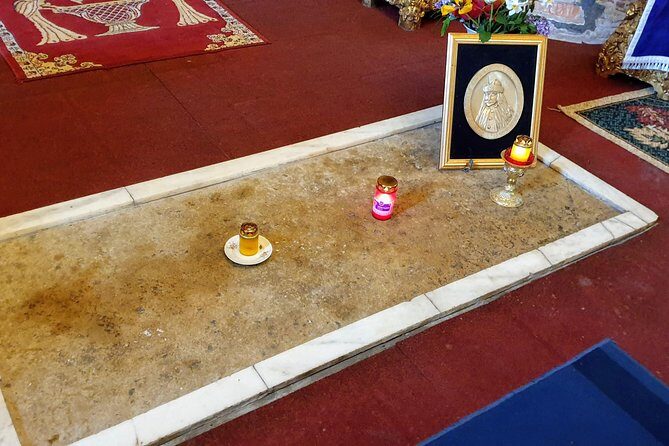
Now, about Dracula’s Tomb. Some historians say Vlad Țepeș’s body was brought to Snagov after his assassination and secretly buried there. Today, visitors can see a funeral stone in front of the altar, described as the daytime resting place of Dracula. Treat it as tradition and interpretation, not courtroom evidence, but it’s still powerful in person because it’s presented as a real place of memory within the monastery setting.
This stop is around one hour, and the ticket is not included in the tour price. I’d budget for it so you don’t get stuck deciding on the spot.
Other Mogosoaia Palace tours in Bucharest
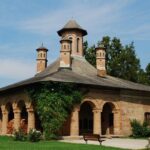
Mogosoaia Lake Palace: Brancovenesc Style With an Ottoman-era Tragedy
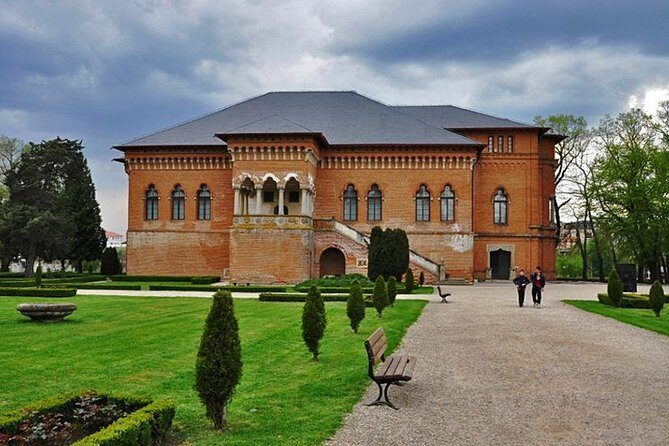
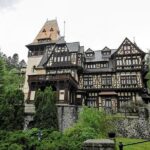
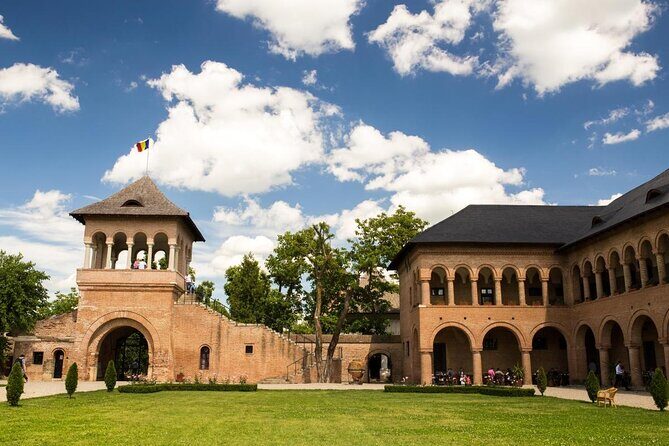
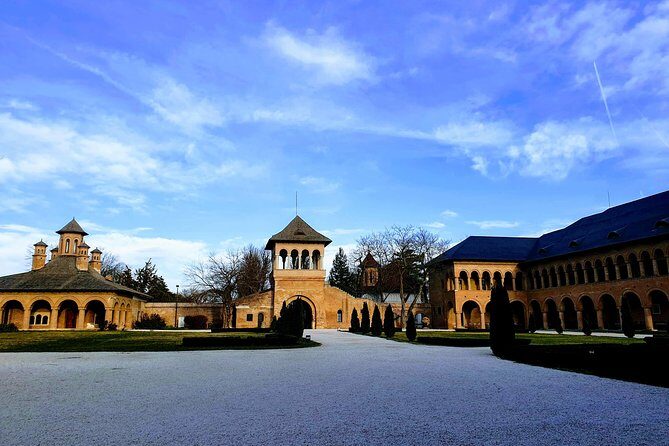
After monasteries, Mogosoaia Lake Palace shifts the mood. This palace was built around 1702 by Constantin Brancoveanu, and it’s known for Brancovenesc style, a distinctly Romanian architectural language that blends influences into something local and recognizable.
The setting is practical to enjoy: it’s on the banks of Lake Mogosoaia and surrounded by gardens and forests. Even if you’re not the type who spends a lot of time on landscaping, the lake helps. It gives you a sense of scale and makes the palace feel like a designed retreat rather than a random landmark.
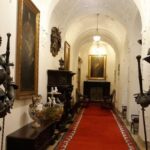
What really gives the palace meaning is the backstory. You’ll hear about Constantin Brancoveanu, described as a key figure in Romanian history and culture, and how he was killed by the Ottomans for refusing to give up his Christian Orthodox faith. That’s heavy, but it also reframes the ornate architecture. You can look at the details and then connect them to the high stakes of belief and politics.
Time here is about an hour, and the ticket is not included. I recommend going in with a little curiosity about style terms like Brancovenesc. You don’t need to memorize labels. You just want a guide to point out how it differs from other Romanian palace styles, and that’s usually where the experience improves.
Two Fast Bucharest Pass-bys: Arcul de Triumf and Revolution Square
You’ll pass by Arcul de Triumf (World War I monument) and then Piaka Revolukiei / Revolution Square and the Royal Palace area. These are short segments (around 5 minutes each), so think of them as orientation and photo breaks rather than full stops.
If you’re hoping for a deep architectural tour of Bucharest’s center, this isn’t that. But as part of a half-day plan that focuses on monasteries and the palace, the quick city pass-bys make sense. You get a sense of the timeline of Romania’s identity, from modern memorials to the older religious sites you’re about to visit.
Timing, Weather, and the Only Real Surprise Risk
This experience needs good weather, and that’s not just a formality. The route relies on lake settings at Caldarusani and Snagov, plus outdoor viewing around Mogosoaia Palace. If conditions are miserable, you might spend less time appreciating viewpoints and more time seeking shelter.
The other consideration is access. Interiors can change due to seasonal preparations, especially around major holidays. In one case on this route, some interior access wasn’t available due to Christmas preparations and that wasn’t communicated far enough in advance. I can’t promise it will happen to you, but I can tell you the smart move: have a Plan B in your head. Even with fewer rooms available, the exteriors and the guided context still tend to land well because the settings are the main draw.
A plus is how the best guide performances affect the day. People credited Marius for punctual pickup, friendliness, and adding extra context. Toni also received strong praise as an excellent guide. When your guide is good, the day feels relaxed even if it runs a touch longer than expected.
Who This Tour Fits Best (and Who Might Want Something Different)
This tour is a great match if you want:
- A private drive with minimal stress
- A mix of religion, architecture, and the Vlad Țepeș story
- A half-day option that still feels “complete”
You’ll especially enjoy it if you like having someone explain what you’re seeing in plain language: why copyists mattered to language, how Byzantine and Romanian impressions can coexist, and what Brancovenesc style signals in Romanian culture.
If you want to spend hours wandering at a slow pace with lots of free time to explore on your own, this might feel structured. Also, since two major sites require separate tickets, you should be comfortable budgeting a little extra once you arrive.
Should You Book This Mystical Monasteries and Dracula’s Tomb Tour?
I’d book it if you’re planning a Bucharest trip and you want a high-impact private day without the hassle of organizing everything yourself. The value is strongest when you factor in the private vehicle, the guide/driver time, the onboard Wi‑Fi, and the fact that the itinerary is built to reduce travel friction.
If you’re visiting in a holiday season or your dates are fixed, go in with flexibility about interior access. And plan to pay for Snagov Monastery and Mogosoaia Palace tickets separately so there are no surprises.
For many people, this ends up being the kind of tour that sticks because the settings are so specific: lake monasteries, an island tomb tradition, and a palace tied to a famous Romanian figure.
FAQ
How long is the tour?
It runs about 4 to 5 hours, depending on timing and how long you spend at each main stop.
Is the tour private?
Yes. It’s a private tour, meaning only your group participates.
Do you offer hotel pickup in Bucharest?
Pickup is offered from centrally located hotels or other accommodation.
What languages does the guide/driver speak?
The guide/driver speaks English, and other languages are offered as well (French and Italian are listed).
Is Wi‑Fi available during the drive?
Yes. The vehicle includes high-speed Wi‑Fi.
Are the monument entrance tickets included?
Not all. Admission for Snagov Monastery and Mogosoaia Lake Palace is not included. Other listed stops are free where noted.
Does the tour run in any weather?
The experience requires good weather. If it’s canceled due to poor weather, you’ll be offered a different date or a full refund.
Can I cancel for free?
Yes. Free cancellation is available up to 24 hours in advance for a full refund.